
What is the dewatering efficiency of sludge dewatering equipment in high - altitude areas?
Hey there! I'm a supplier of Sludge Dewatering Equipment, and today, I want to chat with you about how our equipment performs in high - altitude areas and its dewatering efficiency.
First off, let's understand the basic concept of sludge dewatering. Sludge is a semi - solid material containing a large amount of water, and removing this water is crucial for proper waste management. Whether it's from industrial wastewater treatment plants, municipal sewage systems, or other sources, the goal is to reduce the volume of sludge and make it easier to handle, transport, and dispose of. Our sludge dewatering equipment is designed to do just that, but high - altitude areas bring some unique challenges.
In high - altitude regions, the most obvious difference is the lower atmospheric pressure. The standard atmospheric pressure at sea level is about 101.3 kPa, but as you go higher, this pressure drops significantly. For example, at an altitude of 3000 meters, the atmospheric pressure is roughly 70 kPa. This lower pressure affects the boiling point of water. Water boils at a lower temperature in high - altitude areas, which can have an impact on the evaporation process during sludge dewatering.
When it comes to mechanical dewatering methods, such as using centrifuges or belt presses in our Sludge Dewatering Equipment, the lower air density caused by high altitude can also play a role. Centrifuges separate the sludge and water through high - speed rotation, creating centrifugal force. The reduced air density might slightly affect the balance and stability of the centrifuge operation, but our well - engineered machines are built to withstand these minor differences. We've made sure that the motors and other components are optimized to work efficiently in various conditions, including high - altitude environments.
Another factor related to high - altitude areas is the temperature. Generally, high - altitude regions are colder than low - altitude ones. Cold temperatures can increase the viscosity of sludge, which means the sludge becomes thicker and more difficult to flow. This can slow down the dewatering process as it's harder for the water to separate from the sludge. However, our equipment has features to counter this. For instance, we can install heating systems in some of our Sludge Dewatering Equipment units to keep the sludge at an optimal temperature for dewatering. This helps to maintain a good flow rate and ensures that the dewatering efficiency remains high.
The dewatering efficiency is usually measured by the amount of water removed from the sludge. In high - altitude areas, despite the challenges, our equipment can still achieve a relatively high dewatering rate. We've conducted tests in different high - altitude locations, and on average, we can reduce the moisture content of sludge from around 90% to 20 - 30% depending on the type of sludge and the specific equipment used.
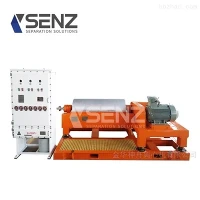
Let's talk about the types of sludge dewatering equipment and how they perform in high - altitude areas. Centrifuges are a popular choice. They work by spinning the sludge at high speeds, forcing the water out through the pores of a screen. The Centrifuge Maintenance is also an important aspect, especially in high - altitude areas. The lower air pressure can cause some parts to wear out differently compared to low - altitude operations. But we provide comprehensive maintenance guides and support to make sure our customers can keep their centrifuges running smoothly.
Belt presses are another option. They use two belts to squeeze the sludge and remove the water. The lower air density in high - altitude areas doesn't have a major impact on the mechanical squeezing process. However, the cold temperatures can still be an issue. We can adjust the tension of the belts and the speed of the operation to adapt to the changing sludge properties caused by the cold.
Screw conveyors are often used in conjunction with sludge dewatering equipment to transport the dewatered sludge. The Screw Conveyor needs to be able to work efficiently in high - altitude areas as well. The lower air pressure and cold temperatures can affect the motor performance and the flow of the sludge inside the conveyor. But our screw conveyors are designed with robust motors and proper insulation to ensure reliable operation.
In addition to the physical factors, the availability of power in high - altitude areas can also be a concern. Some remote high - altitude locations may have unstable power supplies. Our equipment is designed to be energy - efficient, and in some cases, we can offer options for alternative power sources, such as solar - powered units. This makes our Sludge Dewatering Equipment more adaptable to different high - altitude environments.
So, if you're in a high - altitude area and looking for reliable sludge dewatering solutions, don't worry. Our equipment is up to the task. We've spent years researching and developing to make sure that our machines can handle the unique challenges of high - altitude regions. We offer a wide range of products, from small - scale units for local wastewater treatment to large - scale systems for industrial applications.
If you're interested in learning more about our Sludge Dewatering Equipment or have any questions regarding its performance in high - altitude areas, feel free to reach out. We're here to help you find the best solution for your sludge dewatering needs and ensure that you get the most efficient and cost - effective equipment. Let's have a chat about your specific requirements and see how we can work together to solve your sludge management problems.


References
- Smith, J. (2018). "Effects of High - Altitude Conditions on Industrial Equipment". Journal of Industrial Engineering.
- Brown, A. (2019). "Sludge Dewatering Techniques and Their Adaptability". Waste Management Review.