As a provider of decanter machines, I often encounter inquiries from clients about the automation level of these remarkable pieces of equipment. Decanter machines, also known as decanter centrifuges, are widely used in various industries for solid - liquid separation processes. Their automation level is a crucial factor that influences efficiency, productivity, and overall operational costs. In this blog post, I will delve into the different aspects of the automation level of a decanter machine, exploring how it impacts industrial applications.
Basic Automation Features
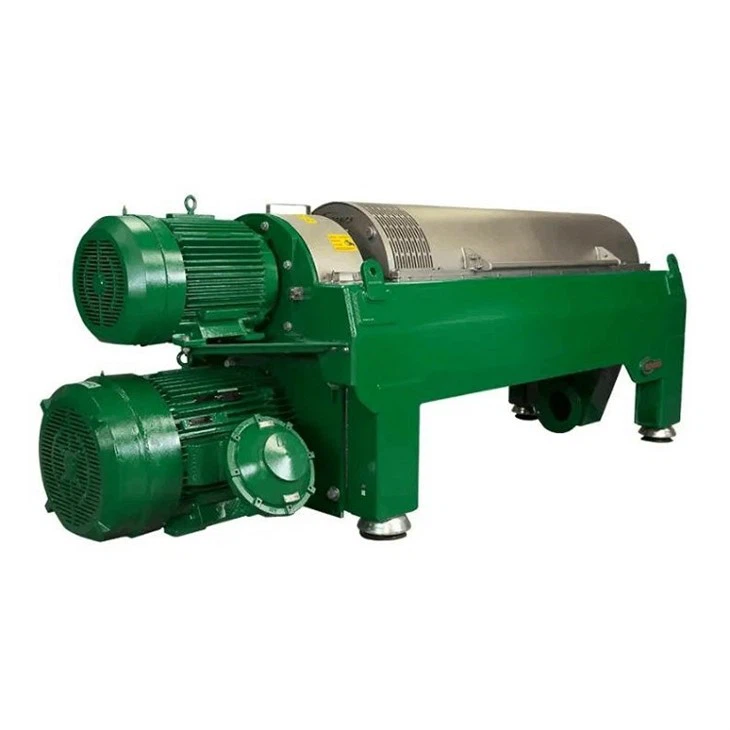
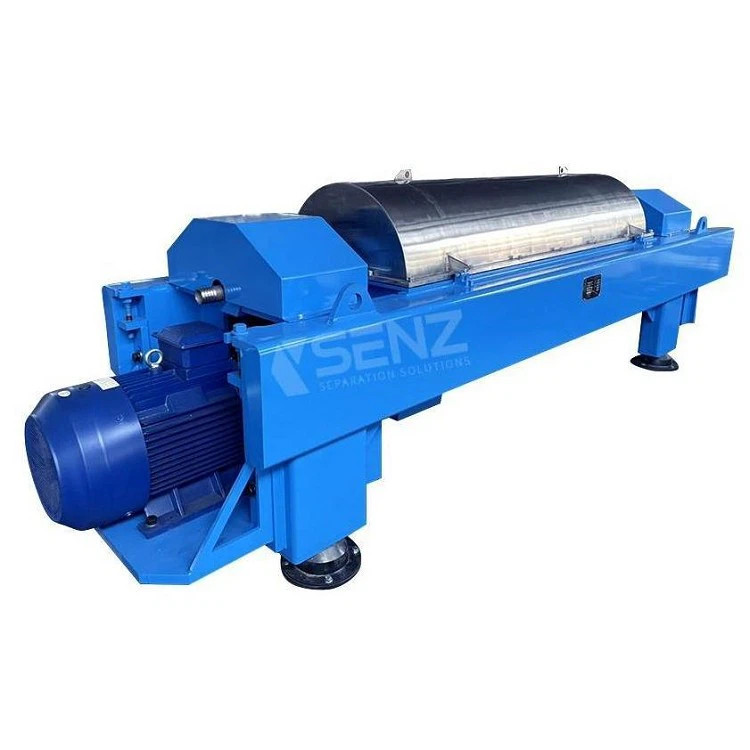
The most fundamental level of automation in a decanter machine involves the control of basic operational parameters. These include the control of the rotational speed of the bowl and the screw conveyor. The rotational speed is a key factor that affects the separation efficiency. For example, in a wastewater treatment plant, where the decanter is used to separate sludge from water, adjusting the rotational speed can optimize the dewatering process. By automating this parameter, the decanter can maintain a consistent speed, which is essential for achieving uniform separation results.
Another basic automation feature is the control of the feed rate. The feed rate determines the amount of material that enters the decanter per unit of time. An automated feed system can adjust the feed rate based on the capacity of the decanter and the characteristics of the incoming material. This ensures that the decanter is not overloaded, which can lead to poor separation and equipment damage. For instance, in a food processing plant using a Soymilk Decanter Centrifuge, the automated feed control can maintain a steady flow of soymilk into the centrifuge, improving the quality of the separated soy protein and milk.
Advanced Sensors and Monitoring Systems
Modern decanter machines are equipped with advanced sensors that can monitor a wide range of parameters in real - time. These sensors provide valuable data that can be used to optimize the operation of the decanter. For example, vibration sensors can detect abnormal vibrations in the machine. Excessive vibrations may indicate issues such as unbalanced loads or mechanical problems. By continuously monitoring vibrations, the automation system can trigger an alarm and even shut down the machine to prevent further damage.
Temperature sensors are also an important part of the automation system. They can monitor the temperature of the bearings and other critical components of the decanter. If the temperature exceeds a safe limit, the system can take corrective actions, such as adjusting the cooling system or reducing the rotational speed. This helps to extend the lifespan of the machine and prevent unexpected breakdowns.
In addition, level sensors can be used to monitor the level of the separated phases inside the decanter. This is particularly important in applications where the separation of two or more phases is required. For example, in the oil refining industry, a Black Diesel Oil Centrifuge uses level sensors to ensure that the oil and water phases are properly separated and discharged.
Automatic Adjustment and Self - Optimization
One of the most significant advancements in the automation of decanter machines is the ability to automatically adjust the operating parameters based on the changing conditions of the incoming material. Some decanter machines are equipped with algorithms that can analyze the characteristics of the feed, such as the particle size distribution, density, and viscosity. Based on this analysis, the machine can automatically adjust the rotational speed, feed rate, and other parameters to optimize the separation process.
For example, in a mining operation, the composition of the ore slurry can vary from one batch to another. A highly automated decanter machine can detect these variations and adjust its operation accordingly. This ensures that the maximum amount of valuable minerals is recovered from the slurry, while minimizing the energy consumption and wear and tear of the equipment.
Self - optimization is another important aspect of the automation level. The decanter can learn from its previous operations and continuously improve its performance. Over time, the machine can identify the best operating conditions for different types of materials and adjust its parameters automatically without human intervention. This leads to more consistent and efficient operation, reducing the need for manual adjustments and improving the overall productivity of the facility.
Integration with Other Systems
In modern industrial settings, decanter machines are often integrated with other equipment and systems to form a seamless production line. This integration further enhances the automation level of the decanter. For example, in a sludge treatment plant, a decanter can be integrated with a Sludge Dewatering Conveyor. The conveyor can transport the dewatered sludge away from the decanter, while the decanter can adjust its operation based on the capacity and status of the conveyor.
Decanter machines can also be integrated with the plant's central control system. This allows for remote monitoring and control of the decanter from a central location. Operators can access real - time data, adjust the operating parameters, and receive alerts and notifications without being physically present at the machine. This is particularly useful in large - scale industrial facilities where multiple decanters are operating simultaneously.
Impact on Industrial Applications
The high automation level of decanter machines has a profound impact on various industrial applications. In the environmental industry, automated decanters are used for wastewater treatment and sludge dewatering. The ability to optimize the separation process automatically reduces the volume of sludge that needs to be disposed of, saving costs and reducing the environmental impact.
In the food and beverage industry, the automation of decanter machines ensures the consistent quality of products. For example, in the production of fruit juices, the decanter can separate the pulp from the juice with high precision, resulting in a clear and high - quality juice product.
In the chemical industry, automated decanters are used for the separation of different chemical compounds. The ability to adjust the operating parameters based on the changing properties of the chemicals ensures the safety and efficiency of the production process.
Conclusion
The automation level of a decanter machine is a multi - faceted concept that encompasses basic control features, advanced sensors, automatic adjustment, self - optimization, and integration with other systems. As a decanter machine provider, I am constantly impressed by the advancements in automation technology and how it has transformed the performance of these machines.
The high level of automation not only improves the efficiency and productivity of industrial processes but also reduces the reliance on manual labor and the risk of human error. Whether you are in the environmental, food, chemical, or any other industry that requires solid - liquid separation, an automated decanter machine can be a valuable asset to your operation.
If you are interested in learning more about our decanter machines and how their automation level can benefit your business, I encourage you to contact us for a detailed discussion. We are committed to providing you with the best solutions tailored to your specific needs.
References
- Smith, J. (2020). "Advances in Decanter Centrifuge Technology". Journal of Industrial Engineering.
- Johnson, A. (2021). "The Role of Automation in Solid - Liquid Separation Processes". International Journal of Process Automation.