


Hey there! As a centrifuge maintenance supplier, I often get asked about the maintenance schedules for a centrifuge's rotor wear and tear. It's a crucial topic because a well - maintained rotor ensures the centrifuge runs smoothly and efficiently. So, let's dive right into it.
Understanding Rotor Wear and Tear
First off, we need to understand what causes rotor wear and tear. The rotor is the heart of the centrifuge. It spins at high speeds, creating the centrifugal force that separates substances. Over time, this high - speed rotation, along with the materials it processes, can cause various types of damage.
One of the main causes of wear is friction. As the rotor spins, there's friction between the rotor and the surrounding air, as well as between the rotor and the substances being processed. This friction can lead to the erosion of the rotor's surface. Another factor is corrosion. If the centrifuge is used to process corrosive materials, the rotor can be damaged by chemical reactions. And let's not forget about mechanical stress. The high - speed rotation puts a lot of stress on the rotor, which can cause cracks or deformations over time.
Initial Inspection and Break - In Period
When you first get a new centrifuge, it's important to do an initial inspection. Check for any visible signs of damage, like scratches or dents on the rotor. Make sure all the parts are properly installed and tightened.
During the break - in period, which usually lasts for the first 10 - 20 operating hours, run the centrifuge at a lower speed. This helps the rotor to gradually adapt to the high - speed operation and reduces the risk of sudden damage. It's like breaking in a new pair of shoes; you don't want to go for a long run right away.
Regular Visual Checks
Once the break - in period is over, start doing regular visual checks. I recommend checking the rotor at least once a week. Look for any signs of wear, such as pitting, discoloration, or cracks. If you notice any of these, it's a sign that something might be wrong.
You can also use a magnifying glass to get a closer look at the rotor's surface. Sometimes, small cracks or pits might not be visible to the naked eye. If you see any damage, it's important to address it as soon as possible. Ignoring small problems can lead to bigger issues down the line.
Maintenance Schedule Based on Operating Hours
A common way to schedule rotor maintenance is based on operating hours. For most centrifuges, a good rule of thumb is to perform a major maintenance check every 500 - 1000 operating hours.
During this major check, you'll need to disassemble the rotor and inspect it thoroughly. Check the bearings, the shaft, and the rotor blades. Look for any signs of wear or damage. Replace any parts that are worn out or damaged.
If your centrifuge is used in a high - demand environment, like a large - scale industrial plant, you might need to do these checks more frequently. For example, if the centrifuge is running 24/7, you might want to do a major check every 500 hours.

Lubrication and Cleaning
Lubrication is another important aspect of rotor maintenance. The bearings in the rotor need to be lubricated regularly to reduce friction and prevent wear. Check the manufacturer's recommendations for the type of lubricant to use and how often to apply it.
Cleaning the rotor is also crucial. After each use, make sure to clean the rotor to remove any residue or debris. Use a mild detergent and a soft cloth to clean the surface. Avoid using abrasive materials, as they can scratch the rotor.
Monitoring Vibration and Noise
Pay attention to the vibration and noise levels of the centrifuge. If you notice an increase in vibration or a change in the noise pattern, it could be a sign of rotor wear or imbalance. Imbalanced rotors can cause excessive wear and can even damage the centrifuge.
You can use vibration sensors to monitor the vibration levels. If the vibration exceeds the normal range, stop the centrifuge immediately and check the rotor. An imbalance can usually be corrected by adjusting the load or by adding counterweights.
Special Considerations for Different Types of Rotors
There are different types of rotors, such as fixed - angle rotors and swinging - bucket rotors. Each type has its own unique maintenance requirements.
Fixed - angle rotors are more prone to stress at the corners. So, when inspecting a fixed - angle rotor, pay special attention to the corners. Check for any signs of cracking or deformation.
Swinging - bucket rotors have moving parts, such as the buckets and the hinges. Make sure to check these parts regularly for wear and tear. Lubricate the hinges to ensure smooth movement.
Importance of Using Quality Parts
When it comes to rotor maintenance, using quality parts is essential. Cheap or low - quality parts can wear out quickly and can cause more damage to the rotor. Make sure to use parts that are recommended by the centrifuge manufacturer.
For example, if you need to replace a bearing, choose a high - quality bearing that is designed for your specific centrifuge model. Using the right parts will not only extend the life of the rotor but also ensure the safety and efficiency of the centrifuge.
Related Equipment and Their Role in Rotor Maintenance
There are several related pieces of equipment that can affect the performance and maintenance of the centrifuge rotor. For instance, the Sludge Dewatering Equipment is often used in conjunction with centrifuges. If the sludge dewatering equipment is not working properly, it can put extra stress on the centrifuge rotor.
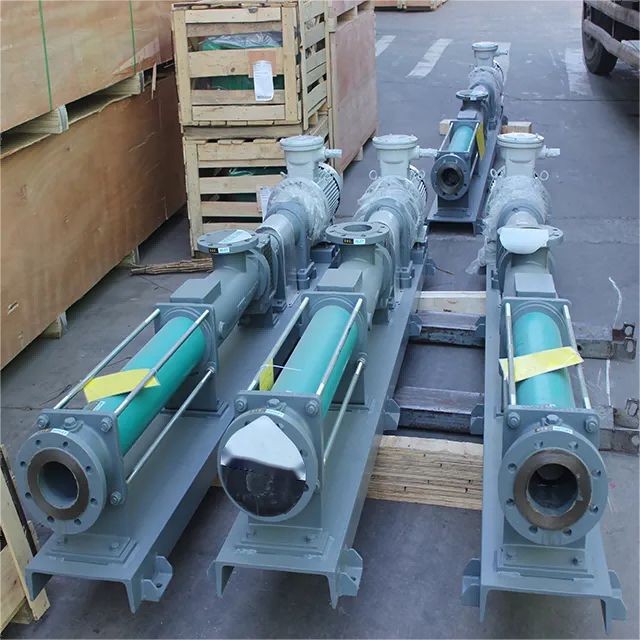
The Centrifuge Feed Pump is another important component. A malfunctioning feed pump can cause uneven feeding of materials into the centrifuge, which can lead to rotor imbalance.
And don't forget about the Flocculant Auto Dosing System. This system helps in the separation process. If it's not calibrated correctly, it can affect the quality of the separation and put additional strain on the rotor.
Conclusion and Call to Action
Maintaining a centrifuge's rotor is not a one - time task. It requires regular inspections, proper lubrication, and timely replacement of worn - out parts. By following a proper maintenance schedule, you can extend the life of the rotor and ensure the efficient operation of your centrifuge.
If you're having any issues with your centrifuge's rotor or if you need help with maintenance, don't hesitate to reach out. We're here to provide you with the best maintenance solutions. Whether you need a simple inspection or a major overhaul, we've got you covered.
References
- Centrifuge Maintenance Manuals from various manufacturers
- Industry research on centrifuge rotor wear and tear
- Technical papers on centrifuge operation and maintenance


