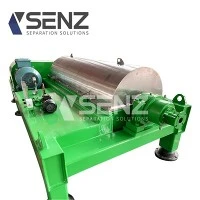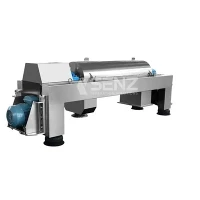

Hey there! As a supplier of Coal Tar Decanter Centrifuges, I often get asked about the installation requirements for these machines in a plant. In this blog post, I'll break down the key factors you need to consider when installing a coal tar decanter centrifuge.
Site Preparation
First things first, you need to pick the right spot for your centrifuge. The area should be flat and level. A wobbly surface can cause all sorts of problems, like uneven wear on the centrifuge and even affect its performance. You don't want that!
The space also needs to be big enough. You need to account for the size of the centrifuge itself, plus some extra room for maintenance and access. You'll be going in there to check things out, make repairs, and do regular upkeep, so having enough space is crucial.
Electrical Requirements
Coal tar decanter centrifuges are power - hungry machines. You need to make sure your plant has the right electrical supply. Check the voltage and amperage requirements of the centrifuge. Usually, these machines need a stable and high - power electrical source.


It's also a good idea to have a dedicated electrical circuit for the centrifuge. This helps prevent power surges and other electrical issues that could damage the machine. You don't want a power glitch to mess up your separation process.
Ventilation
Coal tar can release some pretty strong fumes. That's why proper ventilation is a must. You need to install an effective ventilation system in the area where the centrifuge is located. This will help remove any harmful fumes and keep the air quality in the plant safe for your workers.
The ventilation system should be designed to handle the volume of fumes produced by the coal tar. You might need to consult with a ventilation expert to make sure you're getting it right.
Water Supply
Most coal tar decanter centrifuges require a water supply for various purposes, like cooling and cleaning. You need to have a reliable water source with the right pressure and flow rate.
The water quality is also important. If the water is too dirty or has a high mineral content, it can cause problems with the centrifuge's components. You might need to install a water treatment system to ensure the water is clean enough for the centrifuge.
Foundation
A solid foundation is essential for the stability of the centrifuge. You need to build a foundation that can support the weight of the machine and absorb the vibrations during operation.
The foundation should be made of a strong material, like concrete. It should be properly cured and leveled before installing the centrifuge. This will help prevent any movement or shifting of the centrifuge, which could lead to damage.
Piping and Connections
You'll need to connect the centrifuge to the rest of the plant's piping system. Make sure the pipes are the right size and material for handling coal tar. You don't want any leaks or blockages in the system.
The connections should be secure and leak - proof. You might need to use gaskets and seals to ensure a tight fit. It's also a good idea to label all the pipes and connections to make it easier for maintenance and troubleshooting.
Safety Considerations
Safety should always be your top priority. You need to install safety guards around the centrifuge to prevent workers from getting too close to the moving parts.
There should also be emergency stop buttons within easy reach. In case of an emergency, workers should be able to quickly stop the centrifuge.
Training and Support
Once the centrifuge is installed, your workers need to be trained on how to operate it safely and effectively. You can provide them with training materials and hands - on training sessions.
As a supplier, I also offer ongoing support. If you run into any problems or have questions about the centrifuge, you can reach out to me, and I'll do my best to help you.
Related Products
If you're interested in other types of centrifuges, we also offer Clarifying Decanter Centrifuge, Oil Water Separator, and DDGS Dewatering Centrifuge. These products can be a great addition to your plant's operations.
Conclusion
Installing a coal tar decanter centrifuge in a plant requires careful planning and attention to detail. From site preparation to safety considerations, every step is important.
If you're thinking about purchasing a coal tar decanter centrifuge for your plant, I'd love to have a chat with you. We can discuss your specific needs and see how our products can fit into your operations. Feel free to reach out and start the conversation about procurement.
References
- General knowledge about centrifuge installation in industrial settings.
- Manufacturer's guidelines for coal tar decanter centrifuges.