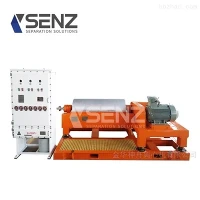

In the modern era, environmental protection has become a global concern, and industries are constantly seeking innovative solutions to reduce their ecological footprint. One such solution that has gained significant attention in the agricultural and livestock sectors is the manure decanter centrifuge. As a supplier of manure decanter centrifuges, I have witnessed firsthand the transformative impact these machines can have on the environment. In this blog post, I will delve into the various environmental benefits of using a manure decanter centrifuge and why it is a crucial investment for sustainable farming practices.
1. Reduction of Nutrient Pollution
Manure is a valuable source of nutrients for crops, but when not managed properly, it can lead to nutrient pollution in water bodies. Excess nitrogen and phosphorus from manure runoff can cause eutrophication, a process that leads to the overgrowth of algae and other aquatic plants. This can deplete oxygen levels in the water, harming fish and other aquatic life.
A manure decanter centrifuge separates the solid and liquid components of manure, allowing for more precise nutrient management. The solid fraction, which contains a higher concentration of organic matter and nutrients, can be used as a slow - release fertilizer. This reduces the risk of nutrient leaching and runoff, as the nutrients are released gradually into the soil. The liquid fraction, on the other hand, can be treated further or used for irrigation in a more controlled manner. By separating the components, farmers can ensure that the nutrients in manure are used more efficiently, minimizing the impact on the environment.
2. Water Conservation
Water is a precious resource, and the livestock industry is a significant consumer of water. Manure management often requires large amounts of water for cleaning and dilution. A manure decanter centrifuge can help reduce water usage in several ways.
Firstly, by separating the solid and liquid components of manure, the volume of liquid waste that needs to be treated or disposed of is reduced. This means less water is required for dilution and transportation. Secondly, the separated liquid can be recycled and reused in the farm operations. For example, it can be used for flushing barns or for irrigation purposes, reducing the demand for fresh water.
3. Reduction of Greenhouse Gas Emissions
Manure decomposition in anaerobic conditions, such as in manure lagoons, produces methane, a potent greenhouse gas. Methane has a much higher global warming potential than carbon dioxide, and reducing its emissions is crucial for mitigating climate change.
A manure decanter centrifuge can help reduce methane emissions in two ways. Firstly, by separating the solid and liquid components, the solid fraction can be stored in aerobic conditions, where methane production is significantly reduced. Secondly, the separated liquid can be treated more effectively in aerobic treatment systems, which also minimize methane production. Additionally, the use of the separated solid fraction as a fertilizer can enhance soil carbon sequestration, further contributing to the reduction of greenhouse gas emissions.
4. Improved Air Quality
Manure can emit various odorous compounds and particulate matter, which can have a negative impact on air quality, especially in areas close to livestock farms. These emissions can cause respiratory problems for humans and animals and can also contribute to the formation of smog.
The separation of manure using a decanter centrifuge can help reduce these emissions. The solid fraction can be more easily managed and stored in a way that reduces odor and particulate matter release. For example, it can be composted, which not only reduces emissions but also produces a valuable soil amendment. The liquid fraction can also be treated to reduce odor - causing compounds before being used or disposed of.
5. Waste Reduction and Resource Recovery
A manure decanter centrifuge is an effective tool for waste reduction and resource recovery. Instead of considering manure as a waste product, it can be transformed into valuable resources.


The solid fraction can be used as a high - quality organic fertilizer, reducing the need for synthetic fertilizers. This not only saves on the cost of purchasing fertilizers but also reduces the environmental impact associated with their production and use. The liquid fraction can be used for energy production through anaerobic digestion or for other on - farm applications, such as biogas production. By recovering these resources, farmers can create a more circular economy on their farms, reducing waste and dependence on external resources.
Related Products and Their Environmental Benefits
As a supplier, we also offer other related products that complement the use of manure decanter centrifuges and contribute to environmental protection.
Wastewater Centrifuge
Our Wastewater Centrifuge is designed to treat wastewater from various sources, including livestock farms. It can effectively separate solids from wastewater, reducing the pollution load in water bodies. This helps in protecting aquatic ecosystems and ensures that the treated water can be safely discharged or reused.
Mining Decanter Centrifuge
The Mining Decanter Centrifuge is used in the mining industry to separate solids from slurries. By efficiently separating the components, it reduces the amount of waste that needs to be disposed of, minimizing the environmental impact of mining operations. It also allows for the recovery of valuable minerals, making the mining process more sustainable.
Sludge Dewatering Conveyor
Our Sludge Dewatering Conveyor is an important part of the manure management system. It helps in further dewatering the separated solid fraction, reducing its volume and making it easier to handle and transport. This not only saves on storage and transportation costs but also reduces the environmental impact associated with waste disposal.
Conclusion
The environmental benefits of using a manure decanter centrifuge are numerous and significant. From reducing nutrient pollution and water usage to minimizing greenhouse gas emissions and improving air quality, these machines play a crucial role in sustainable agriculture and livestock management. As a supplier of manure decanter centrifuges, we are committed to providing high - quality products that help our customers achieve their environmental and economic goals.
If you are interested in learning more about our manure decanter centrifuges or other related products, or if you want to discuss how these solutions can benefit your farm or business, we encourage you to reach out to us for a procurement discussion. We are here to help you make the most of these innovative technologies and contribute to a greener future.
References
- Environmental Protection Agency (EPA). "Manure Management and Treatment Systems." EPA, 2023.
- International Livestock Research Institute (ILRI). "Sustainable Manure Management in Livestock Systems." ILRI, 2022.
- Food and Agriculture Organization of the United Nations (FAO). "Guidelines for the Management of Livestock Manure." FAO, 2021.