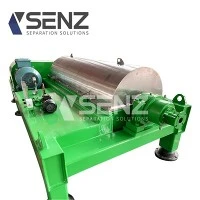
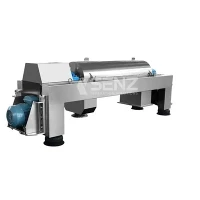
Selecting the appropriate centripetal pump for a fish oil decanter centrifuge is a critical decision that can significantly impact the efficiency and performance of your fish oil processing operations. As a leading supplier of Fish Oil Decanter Centrifuges, I understand the importance of making the right choice. In this blog, I will share some key factors to consider when selecting a centripetal pump for your fish oil decanter centrifuge.
Understanding the Basics of Centripetal Pumps in Fish Oil Decanter Centrifuges
Centripetal pumps play a crucial role in fish oil decanter centrifuges. They are responsible for transferring the fish oil mixture into the centrifuge at the right pressure and flow rate. The pump must be able to handle the specific characteristics of the fish oil, such as its viscosity, density, and temperature.
Factors to Consider When Selecting a Centripetal Pump
1. Flow Rate
The flow rate of the pump is one of the most important factors to consider. It should be able to match the capacity of the fish oil decanter centrifuge. If the flow rate is too low, the centrifuge may not operate at its full capacity, leading to reduced productivity. On the other hand, if the flow rate is too high, it can cause excessive pressure and damage to the centrifuge.
To determine the appropriate flow rate, you need to consider the volume of fish oil that needs to be processed per unit of time. This can be calculated based on the production requirements of your fish oil processing plant.
2. Pressure
The pressure generated by the pump is also crucial. It must be sufficient to overcome the resistance in the pipeline and ensure that the fish oil mixture is properly fed into the centrifuge. However, excessive pressure can cause problems such as leaks and damage to the equipment.
The required pressure depends on various factors, including the length and diameter of the pipeline, the viscosity of the fish oil, and the design of the centrifuge. You should consult the manufacturer's specifications to determine the appropriate pressure range for your centrifuge.


3. Viscosity of the Fish Oil
Fish oil can have different viscosities depending on its composition and temperature. The pump must be able to handle the specific viscosity of the fish oil you are processing. High - viscosity fish oil requires a pump with more power and a design that can handle the increased resistance.
Some pumps are designed specifically for high - viscosity fluids. These pumps typically have larger impellers and more powerful motors to ensure smooth flow.
4. Material Compatibility
The materials used in the construction of the pump must be compatible with the fish oil. Fish oil can be corrosive, especially if it contains certain acids or impurities. The pump should be made of materials that are resistant to corrosion, such as stainless steel.
In addition, the seals and gaskets of the pump should also be made of materials that can withstand the contact with fish oil without deteriorating.
5. Pump Efficiency
Pump efficiency is an important consideration from an economic and environmental perspective. A more efficient pump will consume less energy, reducing operating costs. It will also generate less heat, which can be beneficial for the quality of the fish oil.
When comparing different pumps, look for the efficiency ratings provided by the manufacturer. Higher efficiency pumps may have a higher initial cost, but they can save you money in the long run.
6. Maintenance Requirements
Regular maintenance is essential to ensure the proper functioning of the pump. Consider the ease of maintenance when selecting a pump. Some pumps are designed with easy - to - access parts, which makes it simpler to perform routine maintenance tasks such as cleaning, lubrication, and replacement of worn - out components.
You should also consider the availability of spare parts. A pump with readily available spare parts will minimize downtime in case of a breakdown.
Types of Centripetal Pumps Suitable for Fish Oil Decanter Centrifuges
1. Centrifugal Pumps
Centrifugal pumps are a popular choice for fish oil decanter centrifuges. They work by using a rotating impeller to create centrifugal force, which moves the fluid through the pump. Centrifugal pumps are relatively simple in design, easy to operate, and can handle a wide range of flow rates and pressures.
They are suitable for fish oil with moderate viscosity. However, for high - viscosity fish oil, the performance of centrifugal pumps may be limited.
2. Positive Displacement Pumps
Positive displacement pumps are another option. These pumps work by trapping a fixed amount of fluid and then forcing it out of the pump. They are more suitable for high - viscosity fluids because they can generate higher pressures.
Examples of positive displacement pumps include gear pumps and piston pumps. Gear pumps are often used in fish oil processing due to their ability to handle viscous fluids and provide a consistent flow.
Case Studies and Real - World Applications
Let's take a look at some real - world examples of how the right centripetal pump selection can make a difference in fish oil processing.
In a large - scale fish oil processing plant, the initial selection of a centrifugal pump with a low flow rate was causing the fish oil decanter centrifuge to operate below its capacity. After switching to a pump with a higher flow rate and better pressure capabilities, the plant was able to increase its production by 30%.
In another case, a fish oil processing facility was experiencing corrosion issues with their pump due to the use of incompatible materials. By replacing the pump with one made of stainless steel, they were able to extend the lifespan of the pump and reduce maintenance costs.
Additional Considerations and Related Products
In addition to the centripetal pump for the fish oil decanter centrifuge, there are other related products that can enhance the overall efficiency of your fish oil processing operations. For example, a Used Cooking Oil Separator can be used to separate used cooking oil from other impurities, which can then be further processed into fish oil.
A Centrifuge Wastewater Treatment system can help in treating the wastewater generated during the fish oil processing, reducing environmental impact. And a Centrifuge Machine For Sludge Dewatering can be used to remove excess water from the sludge, making it easier to handle and dispose of.
Conclusion
Selecting the appropriate centripetal pump for a fish oil decanter centrifuge is a complex but essential task. By considering factors such as flow rate, pressure, viscosity, material compatibility, pump efficiency, and maintenance requirements, you can make an informed decision that will optimize the performance of your fish oil processing operations.
If you are in the market for a fish oil decanter centrifuge or a centripetal pump, I encourage you to reach out to us. Our team of experts can provide you with personalized advice and help you select the right equipment for your specific needs. We are committed to providing high - quality products and excellent customer service to ensure the success of your fish oil processing business.
References
- Smith, J. (2020). "Pump Selection for Industrial Applications". Industrial Pumping Journal.
- Johnson, A. (2019). "Fish Oil Processing Technology". Food Processing Magazine.
- Brown, C. (2021). "Centrifugal Pumps: Principles and Applications". Mechanical Engineering Review.