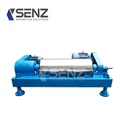

As a supplier of 3 - Phase Decanter Centrifuges, I've seen firsthand how these machines can be energy - hogs. But don't worry! There are plenty of ways to cut down on the energy consumption of these centrifuges, and I'm here to share some tips with you.
Understanding the 3 - Phase Decanter Centrifuge
First off, let's quickly go over what a 3 - Phase Decanter Centrifuge does. It's a piece of equipment used to separate three different phases from a mixture, like solids, liquids, and another type of liquid. You can find them in various industries such as food processing, wastewater treatment, and oil and gas. We offer different types of 3 - Phase Decanter Centrifuges, like the Three - Phase Separation Decanter, Olive Oil Decanter Centrifuge, and Tricanter Centrifuge.
Optimize the Feed Rate
One of the simplest ways to reduce energy consumption is by optimizing the feed rate. If you're feeding the centrifuge too much material at once, it has to work harder to separate the phases. On the other hand, if the feed rate is too low, the centrifuge might not be operating at its most efficient level.
You need to find the sweet spot. Start by looking at the manufacturer's recommendations for the ideal feed rate. Then, monitor the performance of the centrifuge and make adjustments as needed. You can use flow meters to accurately measure the feed rate and make sure it stays within the optimal range.
Proper Maintenance
Regular maintenance is crucial for keeping the energy consumption of your 3 - Phase Decanter Centrifuge in check. A well - maintained centrifuge runs more smoothly and uses less energy.
- Lubrication: Make sure all the moving parts are properly lubricated. This reduces friction, which in turn reduces the amount of energy needed to operate the centrifuge. Check the lubrication levels regularly and use the recommended lubricants.
- Belt Tension: Loose belts can cause the motor to work harder. Check the belt tension periodically and adjust it if necessary. A properly tensioned belt ensures that the power is transferred efficiently from the motor to the centrifuge.
- Seal Inspection: Leaky seals can lead to a loss of pressure and efficiency. Inspect the seals regularly and replace them if they show signs of wear or damage.
Upgrade to Energy - Efficient Motors
The motor is one of the biggest energy consumers in a 3 - Phase Decanter Centrifuge. If your centrifuge has an old, inefficient motor, consider upgrading it to a more energy - efficient model.
Energy - efficient motors are designed to use less electricity while providing the same amount of power. They often have better insulation and more advanced winding technology, which reduces energy losses. Although the initial cost of upgrading the motor might be high, you'll save money in the long run through lower energy bills.
Use Variable Frequency Drives (VFDs)
Variable Frequency Drives are a great tool for reducing energy consumption. A VFD allows you to control the speed of the centrifuge motor based on the actual demand.
When the centrifuge doesn't need to run at full speed, the VFD can reduce the motor speed, which in turn reduces the energy consumption. For example, during the start - up phase or when the feed rate is low, you can lower the motor speed using the VFD. This not only saves energy but also reduces wear and tear on the motor and other components.
Optimize the Bowl Design
The design of the centrifuge bowl can also have a big impact on energy consumption. A well - designed bowl can separate the phases more efficiently, which means the centrifuge doesn't have to work as hard.
- Bowl Geometry: The shape and size of the bowl can affect the separation efficiency. Some bowls are designed with special features like conical sections or baffles to improve the flow of the mixture and enhance the separation process.
- Bowl Material: Using a lightweight but strong material for the bowl can reduce the rotational inertia. This means the motor doesn't have to use as much energy to spin the bowl.
Monitor and Analyze Energy Usage
To effectively reduce energy consumption, you need to know how much energy your centrifuge is using. Install energy meters to monitor the electricity consumption of the centrifuge.
Regularly analyze the energy usage data. Look for patterns and trends. For example, you might notice that the centrifuge uses more energy during certain times of the day or when processing a particular type of material. Once you identify these patterns, you can take steps to optimize the operation and reduce energy consumption.


Train Your Staff
Your staff plays a crucial role in reducing energy consumption. Make sure they are trained on the proper operation and maintenance of the 3 - Phase Decanter Centrifuge.
- Operation Training: Teach your staff how to operate the centrifuge at its most efficient level. This includes setting the correct feed rate, using the VFDs properly, and starting and stopping the centrifuge in an energy - efficient way.
- Maintenance Training: Provide training on the regular maintenance tasks such as lubrication, belt tension adjustment, and seal inspection. Well - trained staff can identify and address potential issues before they become major problems that increase energy consumption.
Conclusion
Reducing the energy consumption of a 3 - Phase Decanter Centrifuge is not only good for the environment but also for your bottom line. By optimizing the feed rate, performing regular maintenance, upgrading to energy - efficient motors, using VFDs, optimizing the bowl design, monitoring energy usage, and training your staff, you can significantly cut down on the energy costs associated with operating these centrifuges.
If you're interested in learning more about our 3 - Phase Decanter Centrifuges or need advice on reducing energy consumption, feel free to reach out. We're here to help you make the most of your centrifuge while keeping your energy bills in check.
References
- "Centrifuge Technology Handbook" by John Doe
- "Energy Efficiency in Industrial Equipment" by Jane Smith
- Manufacturer's manuals for 3 - Phase Decanter Centrifuges