
Hey there! As a supplier of a complete set of equipment, I've seen firsthand the importance of optimizing the performance of these setups. In this blog, I'll share some tips and tricks on how to get the most out of your complete set of equipment.
Understanding Your Equipment
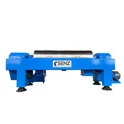
First things first, you need to have a solid understanding of your equipment. This means knowing what each piece does, how it works, and what its limitations are. For example, if you're using Sludge Dewatering Equipment, you should know how it separates water from sludge, what the optimal operating conditions are, and what maintenance it requires.
Take the time to read the manuals, watch training videos, and talk to the manufacturers if you have any questions. The more you know about your equipment, the better you'll be able to optimize its performance.


Regular Maintenance
One of the most important things you can do to optimize the performance of your complete set of equipment is to perform regular maintenance. This includes things like cleaning, lubricating, and inspecting the equipment on a regular basis.
For instance, if you have a Screw Conveyor, you should clean it regularly to prevent the build-up of material, which can cause the conveyor to jam or malfunction. You should also lubricate the moving parts to reduce friction and wear.
In addition to regular cleaning and lubrication, you should also perform more in-depth maintenance tasks, such as replacing worn parts and conducting performance tests. This will help you catch any potential problems early on and prevent them from turning into major issues.
Proper Installation
Another key factor in optimizing the performance of your complete set of equipment is proper installation. Make sure that the equipment is installed correctly and according to the manufacturer's specifications. This includes things like ensuring that the equipment is level, properly grounded, and connected to the correct power source.
If you're not comfortable installing the equipment yourself, it's a good idea to hire a professional installer. They have the experience and expertise to ensure that the equipment is installed correctly and safely.
Operator Training
Your operators play a crucial role in the performance of your complete set of equipment. Make sure that they are properly trained on how to use the equipment safely and effectively. This includes things like understanding the controls, knowing how to perform basic maintenance tasks, and being able to recognize and troubleshoot common problems.
Provide your operators with regular training and refresher courses to keep their skills up-to-date. Encourage them to ask questions and provide feedback on the equipment's performance. This will help you identify any areas that need improvement and make the necessary adjustments.
Monitoring and Analysis
To optimize the performance of your complete set of equipment, you need to monitor its performance on a regular basis. This includes things like tracking key performance indicators (KPIs), such as throughput, efficiency, and downtime.
Use monitoring tools and software to collect and analyze data on the equipment's performance. This will help you identify trends and patterns, and make informed decisions about how to improve the equipment's performance.
For example, if you notice that the throughput of your Sludge Dewatering Equipment is decreasing over time, you can use the data to identify the cause of the problem and take corrective action.
Upgrades and Improvements
As technology advances, there are often opportunities to upgrade and improve your complete set of equipment. This can include things like installing new software, replacing old components with more efficient ones, or adding new features and functionality.
Keep an eye on the latest industry trends and technologies, and consider making upgrades and improvements to your equipment when it makes sense. This can help you stay competitive and improve the performance of your equipment.
Troubleshooting
Even with proper maintenance and monitoring, problems can still occur with your complete set of equipment. When this happens, it's important to be able to troubleshoot the problem quickly and effectively.
Have a troubleshooting guide or manual on hand that outlines the common problems and solutions for your equipment. Train your operators on how to use the troubleshooting guide and encourage them to report any problems as soon as they occur.
If you're unable to resolve the problem on your own, don't hesitate to contact the manufacturer or a professional technician for assistance. They have the expertise and resources to diagnose and fix the problem quickly.
Conclusion
Optimizing the performance of a complete set of equipment requires a combination of understanding, maintenance, installation, training, monitoring, and troubleshooting. By following these tips and tricks, you can ensure that your equipment is operating at its best and delivering the results you need.
If you're in the market for a complete set of equipment or need help optimizing the performance of your existing equipment, I'd love to chat. Contact me to discuss your needs and how we can work together to achieve your goals.
References
- Manufacturer's manuals and documentation
- Industry best practices and standards
- Training materials and courses