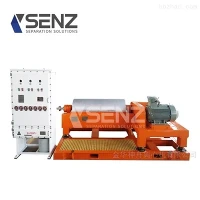

Hey there! As a supplier of 3 Phase Centrifuges, I get asked a lot about how to monitor the operation status of these machines. Well, let me tell you, it's crucial to keep a close eye on your centrifuge to ensure it's running smoothly and efficiently. In this blog post, I'll share some tips and tricks on how to do just that.
Understanding the Basics
First things first, let's talk about what a 3 Phase Centrifuge is and how it works. A 3 Phase Centrifuge is a machine that separates different components of a mixture based on their density. It uses centrifugal force to spin the mixture at high speeds, causing the heavier components to move towards the outer edge of the centrifuge and the lighter components to stay in the center.
There are different types of 3 Phase Centrifuges, including Horizontal Separation Equipment Olive Avocado Oil Extraction Machine, Olive Oil Decanter Centrifuge, and Three-Phase Separation Decanter. Each type has its own unique features and applications, but the basic principle of operation is the same.
Monitoring the Operation Status
Now that we understand the basics, let's talk about how to monitor the operation status of a 3 Phase Centrifuge. Here are some key parameters that you should keep an eye on:
1. Speed
The speed of the centrifuge is one of the most important parameters to monitor. The speed determines the centrifugal force, which in turn affects the separation efficiency. You should make sure that the centrifuge is running at the recommended speed for your application. Most centrifuges have a speed control mechanism that allows you to adjust the speed as needed.
2. Temperature
The temperature of the centrifuge can also affect its performance. If the temperature is too high, it can cause the components of the mixture to break down or denature. On the other hand, if the temperature is too low, it can slow down the separation process. You should monitor the temperature of the centrifuge and make sure it stays within the recommended range.
3. Vibration
Vibration is another important parameter to monitor. Excessive vibration can indicate a problem with the centrifuge, such as an unbalanced load or a worn-out bearing. You should check the vibration level of the centrifuge regularly and take action if you notice any unusual vibrations.
4. Power Consumption
The power consumption of the centrifuge can also provide valuable information about its operation status. If the power consumption is higher than normal, it could indicate a problem with the motor or other components of the centrifuge. You should monitor the power consumption and compare it to the manufacturer's specifications.
5. Noise Level
The noise level of the centrifuge can also be an indicator of its operation status. If the centrifuge is making unusual noises, it could indicate a problem with the bearings, the motor, or other components. You should listen to the centrifuge regularly and take action if you notice any unusual noises.
Using Monitoring Tools
In addition to monitoring the key parameters manually, you can also use monitoring tools to help you keep track of the operation status of your centrifuge. Here are some common monitoring tools that you can use:
1. Sensors
Sensors can be used to measure various parameters, such as speed, temperature, vibration, and power consumption. You can install sensors on the centrifuge and connect them to a monitoring system to collect and analyze the data.
2. Data Loggers
Data loggers are devices that can record and store data over a period of time. You can use a data logger to collect data from the sensors and analyze it later. This can help you identify trends and patterns in the operation of the centrifuge.


3. Remote Monitoring Systems
Remote monitoring systems allow you to monitor the operation status of your centrifuge from a remote location. You can use a computer or a mobile device to access the monitoring system and view the data in real-time. This can be especially useful if you have multiple centrifuges or if you need to monitor the centrifuge while you're away from the site.
Troubleshooting Common Problems
Even with proper monitoring, you may still encounter some problems with your centrifuge. Here are some common problems and how to troubleshoot them:
1. Unbalanced Load
An unbalanced load can cause the centrifuge to vibrate excessively and can even damage the machine. To fix this problem, you should make sure that the load is evenly distributed in the centrifuge. You can also use a balancing tool to help you balance the load.
2. Worn-Out Bearings
Worn-out bearings can cause the centrifuge to make unusual noises and can also affect its performance. To fix this problem, you should replace the worn-out bearings as soon as possible.
3. Clogged Filters
Clogged filters can reduce the efficiency of the centrifuge and can also cause it to overheat. To fix this problem, you should clean or replace the filters regularly.
4. Electrical Problems
Electrical problems can cause the centrifuge to malfunction or even stop working. To fix this problem, you should check the electrical connections and make sure that the centrifuge is properly grounded. You may also need to replace any faulty electrical components.
Conclusion
Monitoring the operation status of a 3 Phase Centrifuge is essential to ensure its efficient and reliable operation. By keeping an eye on the key parameters, using monitoring tools, and troubleshooting common problems, you can keep your centrifuge running smoothly and avoid costly downtime.
If you're in the market for a 3 Phase Centrifuge or need help with monitoring and maintenance, don't hesitate to contact us. We're here to help you find the right centrifuge for your application and provide you with the support you need to keep it running at its best.
References
- Manufacturer's manual for the 3 Phase Centrifuge
- Industry standards and guidelines for centrifuge operation and maintenance