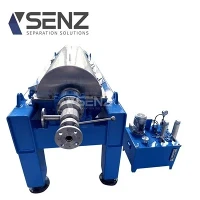

How to lubricate the centrifuge during maintenance?
As a provider of Centrifuge Maintenance services, I understand the critical role that proper lubrication plays in the performance and longevity of centrifuges. In this blog post, I will share some in - depth knowledge on how to lubricate a centrifuge during maintenance.
Understanding the Importance of Lubrication
Lubrication is not just a routine step; it is a vital process that can significantly impact the centrifuge's operation. A well - lubricated centrifuge reduces friction between moving parts. This friction reduction leads to less wear and tear on components such as bearings, gears, and shafts. When friction is minimized, the energy consumption of the centrifuge also drops, resulting in cost savings over time. Moreover, proper lubrication helps to dissipate heat generated during operation. Excessive heat can damage sensitive parts of the centrifuge and even lead to premature failure. By using the right lubricant and applying it correctly, we can ensure that the centrifuge runs smoothly and efficiently.
Selecting the Right Lubricant
The first step in lubricating a centrifuge during maintenance is to choose the appropriate lubricant. Different centrifuges have different requirements based on their design, operating speed, and the environment in which they operate.
- Viscosity: Viscosity is a crucial factor. For high - speed centrifuges, a lubricant with lower viscosity is often preferred as it can flow more easily and provide sufficient lubrication without causing excessive drag. On the other hand, low - speed centrifuges may require a higher - viscosity lubricant to maintain a proper lubricating film.
- Temperature Resistance: Consider the operating temperature of the centrifuge. If the centrifuge operates in a high - temperature environment, a lubricant with good thermal stability is necessary. It should not break down or evaporate at high temperatures, as this would lead to a loss of lubrication and potential damage to the machine.
- Compatibility: Ensure that the lubricant is compatible with the materials used in the centrifuge. Some lubricants may react with certain plastics, rubbers, or metals, causing corrosion or degradation. Always refer to the centrifuge manufacturer's guidelines for recommended lubricants.
Lubrication Points
Before starting the lubrication process, it is essential to identify the critical lubrication points on the centrifuge. These typically include:
- Bearings: Bearings are one of the most important components in a centrifuge. They support the rotating parts and allow smooth operation. Most bearings require regular lubrication. There are different types of bearings, such as ball bearings and roller bearings, and the lubrication method may vary. Some bearings are pre - lubricated and sealed, while others need periodic relubrication. When lubricating bearings, it is important not to over - lubricate, as this can lead to increased temperatures and premature bearing failure.
- Gears: Gears transfer power and motion within the centrifuge. Proper lubrication of gears is necessary to prevent tooth wear and ensure efficient power transmission. Gear lubricants should have good anti - wear and extreme - pressure properties, especially in high - load applications.
- Drive Shafts: The drive shafts connect the motor to the rotating parts of the centrifuge. Lubricating the drive shafts helps to reduce friction and ensure smooth rotation.
Lubrication Process
Once you have selected the right lubricant and identified the lubrication points, follow these steps for proper lubrication:
- Clean the Lubrication Points: Before applying lubricant, clean the lubrication points thoroughly. Use a clean, lint - free cloth to remove any dirt, debris, or old lubricant. This ensures that the new lubricant can work effectively and prevents contaminants from entering the system.
- Apply the Lubricant: Use the appropriate lubrication tool, such as a grease gun or an oil dispenser, to apply the lubricant. Follow the manufacturer's recommended amount of lubricant for each point. For example, when lubricating bearings, a small amount of grease should be evenly distributed around the raceways.
- Operate the Centrifuge Briefly: After lubrication, run the centrifuge at a low speed for a short period. This helps to distribute the lubricant evenly across the moving parts and allows you to check if there are any abnormal noises or vibrations indicating incorrect lubrication.
Maintenance Schedule
Establishing a regular maintenance schedule is crucial for proper lubrication. The frequency of lubrication depends on several factors, including the type of centrifuge, its operating hours, and the operating environment. For example, a centrifuge that operates continuously in a dirty or dusty environment may require more frequent lubrication than one that is used intermittently in a clean environment.
- Daily Checks: Perform daily visual checks of the centrifuge for any signs of lubricant leakage or abnormal wear. This can help you detect problems early and take corrective action before they become serious.
- Periodic Lubrication: Based on the manufacturer's recommendations, establish a schedule for periodic lubrication. This could be weekly, monthly, or quarterly, depending on the specific centrifuge.
Related Equipment and Systems
In addition to centrifuge maintenance, other related equipment and systems can also impact the overall performance of the centrifuge. For example, a Screw Conveyor can be used to transfer solids or semi - solids in a centrifuge application. It also requires proper maintenance and lubrication to ensure smooth operation.
Another important system is the Flocculant Auto Dosing System. This system can improve the efficiency of the centrifuge by dosing flocculants accurately. Proper maintenance of this system, including ensuring the correct lubrication of its moving parts, is essential for optimal performance.


Conclusion
Proper lubrication during centrifuge maintenance is a critical aspect of ensuring the long - term performance and reliability of the equipment. By selecting the right lubricant, identifying the correct lubrication points, following the proper lubrication process, and establishing a regular maintenance schedule, you can significantly extend the lifespan of your centrifuge and reduce the risk of costly breakdowns.
If you are in need of high - quality centrifuge maintenance services or have any questions about lubricating your centrifuge, please don't hesitate to reach out. We are here to provide you with professional advice and solutions to keep your centrifuge running at its best.
References
- Manufacturer's manuals of various centrifuge models.
- Industry standards and guidelines for centrifuge maintenance and lubrication.