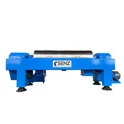

Hey there! As a supplier of Coal Tar Decanter Centrifuges, I've seen firsthand how important it is to keep these machines clean. A well - maintained centrifuge not only performs better but also has a longer lifespan. So, let's dive into how you can effectively clean a coal tar decanter centrifuge.
Why Cleaning is Crucial
First off, why bother with cleaning? Coal tar is a thick, sticky substance. When it builds up in the centrifuge, it can cause all sorts of problems. It can clog the machine, reduce its efficiency, and even lead to mechanical failures. Regular cleaning helps to prevent these issues, ensuring that your centrifuge runs smoothly and reliably.
Pre - Cleaning Preparations
Before you start cleaning, there are a few things you need to do. First, make sure the centrifuge is turned off and unplugged. Safety first, right? You don't want any accidental starts while you're working on it.
Next, gather all the necessary cleaning supplies. You'll need a good degreaser, some soft brushes, and plenty of clean water. A pressure washer can also be handy, but be careful not to use too much pressure as it might damage the centrifuge components.
Disassembling the Centrifuge
Most coal tar decanter centrifuges can be partially disassembled for a more thorough cleaning. Start by removing any accessible parts like the feed pipes, discharge nozzles, and the bowl. These parts are often the ones that come into direct contact with the coal tar, so they tend to get the dirtiest.
Be sure to keep track of all the parts and where they came from. You don't want to end up with a bunch of loose parts and no idea how to put them back together! A good tip is to lay out the parts on a clean surface and label them if necessary.


Cleaning the Parts
Once you've disassembled the centrifuge, it's time to start cleaning the parts. Soak the removable parts in a container filled with the degreaser. Let them sit for a while to loosen up the coal tar. After soaking, use the soft brushes to scrub away the remaining tar. Pay special attention to the small crevices and corners where the tar can accumulate.
For the main body of the centrifuge, spray the degreaser directly onto the surfaces. Use the brushes to scrub the areas with heavy tar buildup. If you're using a pressure washer, start with a low setting and gradually increase the pressure if needed. Just make sure to keep the nozzle at a safe distance from the centrifuge to avoid damage.
Cleaning the Bowl
The bowl of the centrifuge is a critical component, and it requires extra care. Coal tar can build up on the inner walls of the bowl, affecting its balance and performance. Use a long - handled brush to reach the bottom and sides of the bowl. You may need to rotate the bowl slowly while scrubbing to ensure that all areas are cleaned.
After scrubbing, rinse the bowl thoroughly with clean water. Check for any remaining tar spots and repeat the cleaning process if necessary.
Reassembling the Centrifuge
Once all the parts are clean and dry, it's time to put the centrifuge back together. Start by installing the bowl, making sure it's properly aligned. Then, attach the feed pipes and discharge nozzles. Double - check all the connections to ensure they're tight and secure.
Post - Cleaning Checks
After reassembling the centrifuge, it's important to perform some post - cleaning checks. First, visually inspect the centrifuge for any signs of damage or loose parts. Then, run a test cycle without any coal tar to make sure the centrifuge is operating correctly. Listen for any unusual noises or vibrations, which could indicate a problem.
Other Types of Decanter Centrifuges
If you're interested in other types of decanter centrifuges, we also offer some great options. For example, the Centrifuge For Oil Water Separation is perfect for separating oil and water mixtures. It's a highly efficient machine that can save you a lot of time and effort.
Another option is the Soya Milk Decanter Centrifuge. This centrifuge is specifically designed for the soya milk industry, ensuring a high - quality separation process.
And if you're in the fruit processing business, the Fruit Pulp Decanter Centrifuge is a must - have. It can effectively separate the pulp from the juice, giving you a cleaner and more consistent product.
Contact Us for More
Cleaning a coal tar decanter centrifuge doesn't have to be a hassle. By following these steps, you can keep your centrifuge in top condition. If you have any questions about cleaning or if you're interested in purchasing a new centrifuge, don't hesitate to contact us. We're here to help you find the best solution for your needs.
References
- "Centrifuge Maintenance Guide", Industrial Equipment Handbook
- "Best Practices for Cleaning Decanter Centrifuges", Process Engineering Journal