

As a supplier of complete sets of equipment, I've witnessed firsthand the importance of proper handling during the installation process. A complete set of equipment is a complex system composed of multiple components that need to work in harmony. Each piece of equipment has its own characteristics and requirements, and overlooking these can lead to sub - optimal performance or even system failures. In this blog, I'll delve into the special handling requirements for a complete set of equipment during installation.

Site Preparation
The first step in the installation of a complete set of equipment is site preparation. This is not just about clearing the area where the equipment will be placed. It involves a detailed assessment of the physical environment. For instance, the floor must be able to support the weight of the equipment. Some large - scale Sludge Dewatering Equipment can be extremely heavy, and an uneven or weak floor can cause misalignment and premature wear of the equipment.
The site should also have proper ventilation. Many types of equipment generate heat during operation, especially electrical and mechanical components. Insufficient ventilation can lead to overheating, which may damage sensitive parts and reduce the lifespan of the equipment. Additionally, the site needs to be protected from environmental factors such as dust, moisture, and corrosive substances. Dust can clog filters and moving parts, while moisture can cause rust and electrical short - circuits.
Component Handling
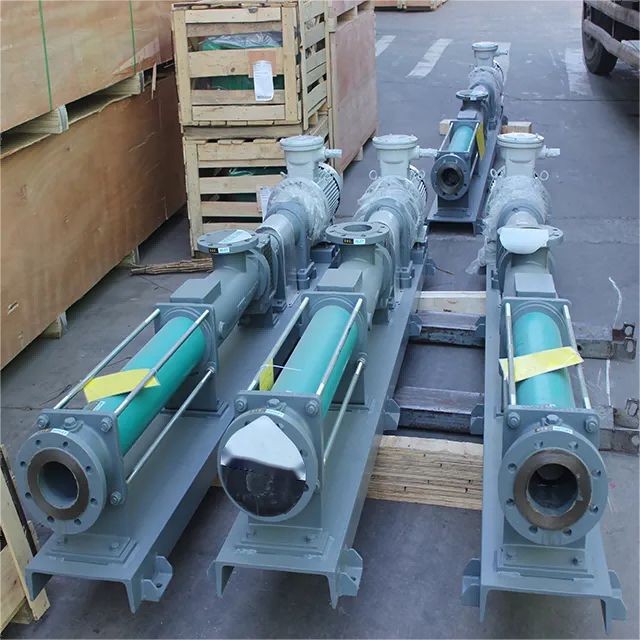
When it comes to handling individual components of the complete set of equipment, care must be taken to prevent damage. Components should be lifted and moved using appropriate lifting equipment. For example, Centrifuge Feed Pump are precision instruments, and any rough handling can misalign internal parts or damage seals.
Before installation, each component should be inspected for any visible damage. This includes checking for cracks, dents, or loose parts. If any damage is found, it should be reported immediately, and the component should be repaired or replaced before installation. Components should also be stored properly before installation to prevent further damage. They should be kept in a clean, dry area, and if necessary, protected with covers or padding.
Alignment and Calibration
Proper alignment and calibration are crucial for the smooth operation of a complete set of equipment. Misaligned components can cause excessive vibration, noise, and premature wear. For example, in a system with multiple pumps and pipes, incorrect alignment can lead to uneven flow distribution and increased pressure drop.
Calibration is also necessary to ensure that the equipment operates within the specified parameters. This is especially important for sensors and control systems. Flocculant Auto Dosing System need to be calibrated accurately to ensure the correct dosage of flocculant, which is essential for the efficient operation of the sludge dewatering process.
Electrical and Plumbing Connections
Electrical and plumbing connections are another area that requires special attention during installation. Electrical connections must be made according to electrical codes and standards. This includes proper grounding, insulation, and wire sizing. Incorrect electrical connections can pose a safety hazard, such as electric shock or fire.
Plumbing connections need to be leak - free. Any leaks can lead to loss of fluid, reduced system efficiency, and potential damage to the surrounding area. Before making connections, pipes should be cleaned to remove any debris or contaminants that could block the flow or damage the equipment.
Testing and Commissioning
Once the complete set of equipment is installed, it needs to be thoroughly tested and commissioned. This involves running the equipment under different operating conditions to ensure that it functions as intended. Testing should include performance tests, safety tests, and reliability tests.
During the testing phase, any issues or abnormalities should be identified and addressed immediately. This may involve making adjustments to the alignment, calibration, or connections. Commissioning also includes training the operators on how to use and maintain the equipment properly.
Documentation
Throughout the installation process, detailed documentation should be maintained. This includes installation manuals, test reports, and any modifications made to the equipment. Documentation is important for future reference, maintenance, and troubleshooting. It also provides a record of the installation process, which can be useful for quality control and compliance purposes.
Conclusion
In conclusion, there are indeed many special handling requirements for a complete set of equipment during installation. From site preparation to testing and commissioning, every step must be carried out with precision and care. As a supplier of complete sets of equipment, we are committed to providing not only high - quality products but also comprehensive support during the installation process.
If you are in the market for a complete set of equipment and need professional advice on installation and handling, we are here to help. Our team of experts has extensive experience in the field and can assist you in ensuring a smooth and successful installation. Contact us to discuss your specific requirements and start the procurement process today.
References
- Industrial Equipment Installation Guidelines, Industry Standard Publication
- Equipment Manufacturer's Installation Manuals
- Electrical and Plumbing Codes and Standards