


As a supplier of complete sets of equipment, I understand the critical role that spare parts inventory plays in ensuring the smooth operation and longevity of our products. A well - maintained spare parts inventory can minimize downtime, reduce maintenance costs, and enhance the overall reliability of the equipment. In this blog, I will discuss the essential spare parts inventory for a complete set of equipment and explain why each part is important.
1. Centrifuge - related Spare Parts
Centrifuges are widely used in various industries for separating solids from liquids. They are complex machines with many moving parts, and having the right spare parts on hand is crucial for their proper functioning.

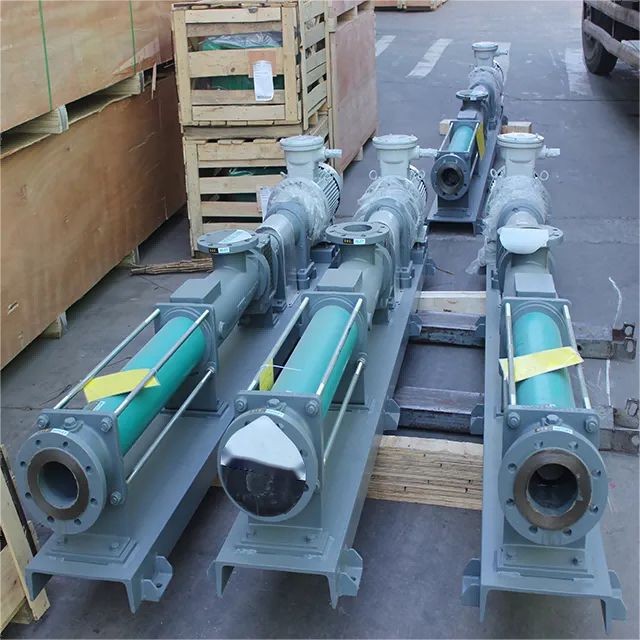
- Seals and Gaskets: Seals and gaskets prevent leakage of the process fluid. Over time, they can wear out due to friction, chemical exposure, and high - pressure conditions. Replacing worn - out seals and gaskets promptly can prevent costly leaks and ensure the efficiency of the centrifuge. You can find more information about centrifuge maintenance at Centrifuge Maintenance.
- Bearings: Bearings support the rotating parts of the centrifuge. They are subject to high loads and rotational speeds, which can cause them to wear or fail. Having spare bearings allows for quick replacement, reducing the downtime of the centrifuge.
- Drive Belts: Drive belts transfer power from the motor to the centrifuge. They can stretch or break over time, especially if they are not properly tensioned. Spare drive belts can be easily installed to keep the centrifuge running.
2. Screw Conveyor Spare Parts
Screw conveyors are used to transport bulk materials from one place to another. They are relatively simple in design but still require a set of spare parts for maintenance.
- Screw Blades: Screw blades are the main components that move the material. They can wear out due to the abrasive nature of the transported materials. Replacing worn - out screw blades can maintain the efficiency of the conveyor. For more details about screw conveyors, visit Screw Conveyor.
- Housing Liners: Housing liners protect the conveyor housing from wear and tear. They can be made of different materials depending on the type of material being transported. Spare housing liners can be installed when the existing ones are damaged.
- Drive Shafts: Drive shafts transfer power from the motor to the screw. They can be subject to bending or breaking under heavy loads. Having spare drive shafts ensures that the conveyor can be quickly repaired.
3. Flocculant Auto Dosing System Spare Parts
A flocculant auto - dosing system is used to add flocculants to the process fluid to aid in the separation of solids.
- Pump Diaphragms: Pump diaphragms are used to pump the flocculant. They can wear out due to the chemical nature of the flocculant and the pressure inside the pump. Spare pump diaphragms can be replaced to maintain the proper dosing of the flocculant. Check out Flocculant Auto Dosing System for more information.
- Valves: Valves control the flow of the flocculant. They can become clogged or damaged over time. Having spare valves allows for quick replacement and ensures the accurate dosing of the flocculant.
- Flow Meters: Flow meters measure the amount of flocculant being dosed. They can malfunction due to various reasons, such as blockages or electrical issues. Spare flow meters can be installed to maintain the accuracy of the dosing system.
4. Sludge Dewatering Equipment Spare Parts
Sludge dewatering equipment is used to remove water from sludge, reducing its volume and making it easier to handle.
- Filter Cloths: Filter cloths are used to separate the solid and liquid phases in the sludge. They can become clogged or damaged over time. Replacing the filter cloths can improve the dewatering efficiency of the equipment. Learn more about sludge dewatering equipment at Sludge Dewatering Equipment.
- Hydraulic Seals: Hydraulic seals are used in the hydraulic systems of the dewatering equipment. They can wear out due to high - pressure conditions. Spare hydraulic seals can be replaced to prevent hydraulic fluid leakage and ensure the proper operation of the equipment.
- Drive Chains: Drive chains transfer power from the motor to the moving parts of the dewatering equipment. They can stretch or break over time. Having spare drive chains allows for quick replacement and keeps the equipment running.
5. Centrifuge Feed Pump Spare Parts
Centrifuge feed pumps are used to supply the centrifuge with the process fluid.
- Impellers: Impellers are the rotating parts of the pump that create the flow of the fluid. They can wear out due to the abrasive nature of the fluid. Replacing worn - out impellers can improve the pump's performance. You can find more about centrifuge feed pumps at Centrifuge Feed Pump.
- Mechanical Seals: Mechanical seals prevent leakage of the fluid from the pump. They can fail due to wear, chemical exposure, or improper installation. Spare mechanical seals can be installed to prevent leaks and ensure the pump's efficiency.
- Pump Casings: Pump casings house the impellers and other components of the pump. They can be damaged due to corrosion or physical impact. Having spare pump casings allows for quick replacement and keeps the pump in working condition.
Importance of Maintaining a Spare Parts Inventory
Maintaining a proper spare parts inventory offers several benefits. Firstly, it reduces downtime. When a part fails, having a spare part on hand means that the equipment can be repaired quickly, minimizing the disruption to the production process. Secondly, it can save costs in the long run. By replacing worn - out parts promptly, you can prevent further damage to the equipment, which can be more expensive to repair. Thirdly, it enhances the reliability of the equipment. With a well - stocked spare parts inventory, you can ensure that your equipment is always in good working condition, meeting the production requirements.
How to Manage the Spare Parts Inventory
Managing the spare parts inventory effectively is crucial. Here are some tips:
- Regularly Review the Inventory: Conduct regular audits of the spare parts inventory to ensure that all the necessary parts are in stock and to identify any obsolete or damaged parts.
- Establish Reorder Points: Determine the reorder points for each spare part based on the usage rate and lead time. This will help you replenish the inventory in a timely manner.
- Store the Parts Properly: Store the spare parts in a clean, dry, and organized environment to prevent damage and deterioration.
Conclusion
In conclusion, a comprehensive spare parts inventory is essential for a complete set of equipment. As a supplier of complete sets of equipment, I highly recommend that our customers maintain a proper spare parts inventory to ensure the smooth operation and longevity of their equipment. If you are interested in purchasing our equipment or need advice on spare parts inventory management, please feel free to contact us for further discussion.
References
- "Maintenance and Spare Parts Management for Industrial Equipment", Industrial Maintenance Handbook
- "Spare Parts Inventory Optimization in Manufacturing", Journal of Manufacturing Systems


