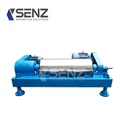

When it comes to managing used cooking oil effectively, a used cooking oil separator is an indispensable piece of equipment. As a leading supplier of used cooking oil separators, I understand the importance of proper installation to ensure the optimal performance of these devices. In this blog post, I will delve into the installation requirements for a used cooking oil separator, providing you with a comprehensive guide to help you set up your equipment correctly.
Location Selection
The first step in installing a used cooking oil separator is to choose the right location. The ideal location should meet the following criteria:
- Proximity to the Source: The separator should be installed as close as possible to the source of used cooking oil, such as fryers or grease traps. This minimizes the length of the piping required and reduces the risk of clogging due to the accumulation of debris in the pipes.
- Accessibility: Ensure that the installation site is easily accessible for maintenance and repairs. There should be enough space around the separator to allow technicians to work comfortably and perform routine checks without any hindrance.
- Ventilation: Adequate ventilation is crucial to prevent the buildup of fumes and odors. The installation area should have proper air circulation to remove any volatile organic compounds (VOCs) that may be released during the separation process. A well - ventilated space also helps to maintain a safe working environment.
- Level Surface: The separator must be installed on a level surface to ensure proper functioning. An uneven surface can cause the separator to vibrate excessively, leading to premature wear and tear of its components and potentially affecting its separation efficiency.
Electrical Requirements
Most used cooking oil separators are powered by electricity, so it is essential to meet the electrical requirements specified by the manufacturer.
- Voltage and Amperage: Check the voltage and amperage ratings of the separator and ensure that the electrical supply in the installation area matches these specifications. Using an incorrect voltage can damage the equipment and pose a safety hazard.
- Grounding: Proper grounding is necessary to protect the equipment and the users from electrical shocks. Make sure that the separator is connected to a grounded electrical outlet or that a dedicated grounding system is installed according to local electrical codes.
- Circuit Protection: Install appropriate circuit breakers or fuses to protect the separator from electrical overloads. This helps to prevent damage to the electrical components and reduces the risk of electrical fires.
Plumbing Requirements
The plumbing system plays a vital role in the operation of a used cooking oil separator.
- Inlet and Outlet Piping: Use high - quality pipes that are compatible with the type of used cooking oil being processed. The inlet piping should be large enough to allow a smooth flow of used cooking oil into the separator, while the outlet piping should be sized to handle the separated oil and water.
- Pipe Connections: Ensure that all pipe connections are tight and leak - free. Loose connections can lead to oil spills and reduce the efficiency of the separation process. Use appropriate sealing materials, such as gaskets or O - rings, to prevent leaks.
- Backflow Prevention: Install a backflow prevention device in the plumbing system to prevent the reverse flow of oil or water. This helps to protect the separator and other equipment in the system from contamination.
Safety Considerations
Safety should always be a top priority during the installation of a used cooking oil separator.
- Fire Protection: Since used cooking oil is flammable, it is important to have fire protection measures in place. Install fire extinguishers in the vicinity of the separator and ensure that they are easily accessible. The installation area should also be free from any potential ignition sources, such as open flames or hot surfaces.
- Emergency Shut - off: Provide an emergency shut - off switch near the separator. This allows operators to quickly stop the operation of the equipment in case of an emergency, such as a fire or a mechanical failure.
- Warning Signs: Display clear warning signs around the separator to alert users of potential hazards, such as hot surfaces, electrical shock, or slippery floors.
Commissioning and Testing
Once the used cooking oil separator is installed, it is necessary to commission and test the equipment to ensure that it is working properly.
- Initial Inspection: Conduct a thorough visual inspection of the separator and all its components to check for any signs of damage or improper installation.
- Function Testing: Start the separator and run it through a test cycle to verify its functionality. Check the flow rates of the inlet and outlet pipes, the separation efficiency, and the operation of all control systems.
- Calibration: If necessary, calibrate the separator to optimize its performance. This may involve adjusting the separation parameters, such as the speed of the centrifuge or the flow rate of the cleaning agents.
As a supplier of used cooking oil separators, we offer a range of high - quality products to meet your specific needs. Our Centrifuge Oil Separator is designed for efficient separation of used cooking oil, and our Black Diesel Oil Centrifuge can handle more challenging separation tasks. We also have the Sulfur Foam Separation Centrifuge for specialized applications.


If you are interested in purchasing a used cooking oil separator or have any questions about installation or operation, we encourage you to contact us for a detailed discussion. Our team of experts is ready to provide you with professional advice and support to ensure that you get the most out of your equipment.
References
- Manufacturer's installation manuals for used cooking oil separators.
- Local building and safety codes related to the installation of industrial equipment.
- Industry standards for the separation of used cooking oil.