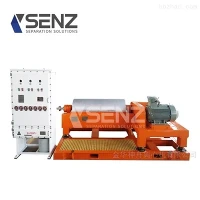

A 3 - Phase Decanter Centrifuge is a highly efficient piece of equipment used in various industries for separating different phases of a mixture, such as solids, liquids, and sometimes a second liquid phase. As a supplier of 3 - Phase Decanter Centrifuges, I understand the importance of ensuring that customers are well - informed about the installation requirements. This blog will provide a comprehensive overview of what is needed to install a 3 - Phase Decanter Centrifuge properly.
1. Site Preparation
Space Requirements
The first step in installing a 3 - Phase Decanter Centrifuge is to identify an appropriate location. The centrifuge itself requires a certain amount of floor space. You need to consider not only the physical dimensions of the centrifuge but also the additional space for access, maintenance, and any associated piping or electrical connections. A general rule of thumb is to have at least 1 - 2 meters of clearance around the centrifuge to allow technicians to move freely and perform routine checks and repairs.
Floor Strength
The floor where the centrifuge will be installed must be able to support its weight. A 3 - Phase Decanter Centrifuge can be quite heavy, especially when fully loaded with the mixture being processed. You should consult the centrifuge's technical specifications to determine its weight and then ensure that the floor has the appropriate load - bearing capacity. In some cases, it may be necessary to reinforce the floor or install the centrifuge on a specially designed platform.


Ventilation
Proper ventilation is crucial for the operation of a 3 - Phase Decanter Centrifuge. During operation, the centrifuge generates heat, and some processes may produce fumes or vapors. Adequate ventilation helps to remove these heat sources and ensure a safe working environment. The ventilation system should be designed to handle the volume of air required to maintain a stable temperature and remove any potentially harmful substances. This may involve installing exhaust fans or connecting the centrifuge to an existing industrial ventilation network.
2. Electrical Requirements
Power Supply
A 3 - Phase Decanter Centrifuge typically requires a three - phase power supply. The voltage and current requirements will vary depending on the size and capacity of the centrifuge. It is essential to ensure that the power supply at the installation site matches the centrifuge's specifications. You should also have a dedicated electrical circuit for the centrifuge to avoid overloading other electrical equipment and to prevent power fluctuations that could affect its performance.
Electrical Protection
To protect the centrifuge from electrical faults, it is necessary to install appropriate electrical protection devices. This includes circuit breakers, fuses, and ground fault interrupters. These devices help to prevent damage to the centrifuge in case of short circuits, overcurrents, or other electrical problems. Additionally, proper grounding of the centrifuge is essential to ensure the safety of operators and to prevent electrical shock.
Control Panel Installation
The centrifuge is usually controlled by a dedicated control panel. The control panel should be installed in a location that is easily accessible to operators but also protected from physical damage and environmental factors. It should be connected to the centrifuge using appropriate electrical wiring, and all connections should be properly insulated and secured to prevent electrical hazards.
3. Piping and Plumbing Requirements
Inlet and Outlet Piping
The 3 - Phase Decanter Centrifuge has inlet and outlet pipes for the mixture being processed and the separated phases. The inlet piping should be sized correctly to ensure a smooth flow of the mixture into the centrifuge. The outlet piping for the separated solids, liquids, and any second liquid phase should also be properly sized and routed to their respective storage or processing areas. The piping material should be compatible with the substances being processed to prevent corrosion or contamination.
Valves and Fittings
Valves and fittings are essential components of the piping system. They are used to control the flow of the mixture and the separated phases, as well as to isolate different parts of the system for maintenance or cleaning. You should choose high - quality valves and fittings that are suitable for the operating conditions, such as pressure, temperature, and the chemical properties of the substances.
Drainage
Proper drainage is necessary to remove any excess liquid or cleaning water from the centrifuge area. The drainage system should be designed to handle the volume of liquid generated during normal operation and cleaning procedures. It should be connected to a suitable wastewater disposal system or a collection tank for further treatment.
4. Alignment and Leveling
Centrifuge Alignment
The 3 - Phase Decanter Centrifuge must be properly aligned to ensure smooth and efficient operation. Misalignment can cause excessive vibration, which can lead to premature wear and tear of the centrifuge components and reduce its performance. You should use precision alignment tools, such as laser alignment systems, to ensure that the centrifuge is aligned correctly with its drive system and other associated equipment.
Leveling
Leveling the centrifuge is also crucial. An unevenly installed centrifuge can cause the same problems as misalignment, including vibration and reduced performance. You can use a spirit level to check the level of the centrifuge and adjust its feet or mounting brackets as needed to ensure that it is perfectly horizontal.
5. Safety Considerations
Guarding
The centrifuge should be equipped with appropriate guarding to prevent operators from coming into contact with moving parts. This includes guards around the drive system, the rotating bowl, and any other hazardous areas. The guards should be made of strong and durable materials and should be securely attached to the centrifuge.
Emergency Stop Buttons
Emergency stop buttons should be installed in easily accessible locations around the centrifuge. These buttons allow operators to quickly stop the centrifuge in case of an emergency, such as a malfunction or a safety hazard. The emergency stop buttons should be clearly labeled and tested regularly to ensure they are in working condition.
Safety Signage
Safety signage should be posted around the centrifuge area to alert operators of potential hazards. This includes signs indicating the location of emergency stop buttons, warning signs about moving parts, and signs providing instructions for safe operation and maintenance.
Industries and Applications
The 3 - Phase Decanter Centrifuge has a wide range of applications in different industries. For example, in the food industry, it is used for Avocado And Palm Oil Extraction Centrifuge, where it separates the oil from the pulp and other solid components. In the olive oil production, an Olive Oil Decanter Centrifuge is a key piece of equipment for extracting high - quality olive oil. The 3 Phase Centrifuge is also used in the chemical, pharmaceutical, and wastewater treatment industries for separating different phases of mixtures.
Conclusion
Installing a 3 - Phase Decanter Centrifuge requires careful planning and attention to detail. By ensuring that the site is properly prepared, the electrical and piping systems are correctly installed, the centrifuge is aligned and leveled, and all safety measures are in place, you can ensure the efficient and safe operation of the centrifuge. If you are considering purchasing a 3 - Phase Decanter Centrifuge for your industry, we are here to assist you. Our team of experts can provide you with detailed installation guidance and support to ensure that your centrifuge is installed and operating at its best. Contact us today to start the procurement and installation process.
References
- "Centrifuge Technology Handbook" - A comprehensive guide on centrifuge technology and installation requirements.
- Industry standards and guidelines for centrifuge installation, such as those provided by relevant industrial associations.