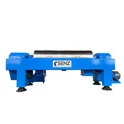

Hey there! As a supplier of soymilk decanter centrifuges, I've seen my fair share of issues that customers run into. In this blog, I'm gonna share some tips on how to troubleshoot common problems in a soymilk decanter centrifuge.


1. Vibration Issues
One of the most common problems you might face with a soymilk decanter centrifuge is excessive vibration. This can be pretty concerning, as it not only affects the performance of the centrifuge but can also lead to more serious damage over time.
Possible Causes
- Uneven Loading: If the soymilk or other materials inside the centrifuge are not evenly distributed, it can cause the centrifuge to vibrate. This could happen if you're not careful when pouring the soymilk into the centrifuge or if there are blockages in the feed system.
- Worn Bearings: Bearings are crucial components in a centrifuge. Over time, they can wear out, leading to increased vibration. This is especially true if the centrifuge has been used for a long time without proper maintenance.
- Imbalanced Rotor: The rotor is the part of the centrifuge that spins at high speeds. If it's not balanced correctly, it can cause significant vibration. This could be due to manufacturing defects or damage during use.
Solutions
- Check the Loading: Make sure that the soymilk is evenly distributed in the centrifuge. You can do this by carefully pouring the soymilk and ensuring that there are no clumps or blockages in the feed system. If possible, use a level to check that the centrifuge is sitting evenly on its base.
- Inspect the Bearings: If you suspect that the bearings are worn, you'll need to replace them. This is a job that's best left to a professional, as it requires some technical knowledge and the right tools. However, you can visually inspect the bearings for signs of wear, such as excessive play or damage to the raceways.
- Balance the Rotor: If the rotor is imbalanced, you may need to have it re - balanced by a specialist. Some centrifuge models come with a self - balancing feature, but if yours doesn't, it's important to address this issue as soon as possible to prevent further damage.
2. Low Separation Efficiency
Another common problem is low separation efficiency. This means that the centrifuge is not effectively separating the different components of the soymilk, such as the solids and the liquid.
Possible Causes
- Incorrect Speed Setting: The speed at which the centrifuge spins is crucial for proper separation. If the speed is too low, the centrifugal force may not be strong enough to separate the components effectively. On the other hand, if the speed is too high, it can cause other problems, such as excessive foaming.
- Clogged Screen or Bowl: The screen or bowl of the centrifuge can become clogged with solids over time. This restricts the flow of the soymilk and reduces the separation efficiency.
- Feed Rate Too High: If you're feeding the soymilk into the centrifuge too quickly, it may not have enough time to be properly separated. This can lead to a lower quality of separation.
Solutions
- Adjust the Speed Setting: Refer to the centrifuge's manual to determine the optimal speed for separating soymilk. You may need to experiment a bit to find the perfect setting, but once you do, you should notice an improvement in separation efficiency.
- Clean the Screen or Bowl: Regularly clean the screen and bowl of the centrifuge to prevent clogging. You can use a suitable cleaning solution and a soft brush to remove any solids that have accumulated. Make sure to follow the manufacturer's instructions for cleaning to avoid damaging the centrifuge.
- Reduce the Feed Rate: Slow down the rate at which you're feeding the soymilk into the centrifuge. This will give the centrifuge more time to separate the components effectively. You can use a flow control valve or adjust the pump speed to achieve the desired feed rate.
3. Leakage Problems
Leakage from the soymilk decanter centrifuge can be a messy and wasteful problem. It can also indicate a more serious issue with the centrifuge's seals or gaskets.
Possible Causes
- Damaged Seals or Gaskets: The seals and gaskets in the centrifuge are designed to prevent leakage. Over time, they can become worn or damaged, allowing soymilk to leak out.
- Loose Fittings: If the fittings on the centrifuge are not tightened properly, it can cause leakage. This could be due to normal wear and tear or improper installation.
- Cracks in the Housing: In some cases, the housing of the centrifuge may develop cracks, which can lead to leakage. This could be caused by physical damage or excessive stress on the housing.
Solutions
- Replace the Seals or Gaskets: If you notice that the seals or gaskets are damaged, replace them as soon as possible. You can usually find replacement parts from the centrifuge manufacturer or a reputable supplier. Make sure to follow the installation instructions carefully to ensure a proper seal.
- Tighten the Fittings: Check all the fittings on the centrifuge and make sure they're tightened properly. Use a wrench or other appropriate tool to tighten any loose fittings, but be careful not to over - tighten them, as this can cause damage.
- Repair or Replace the Housing: If there are cracks in the housing, you'll need to determine whether it can be repaired or if it needs to be replaced. In some cases, a professional welder may be able to repair the cracks, but if the damage is severe, it's best to replace the housing.
4. Noise Issues
Unusual noises coming from the soymilk decanter centrifuge can be a sign of a problem. It's important to address these issues promptly to prevent further damage.
Possible Causes
- Loose Components: Loose bolts, nuts, or other components can cause rattling or banging noises as the centrifuge operates. This could be due to normal wear and tear or improper installation.
- Worn Gears or Belts: Gears and belts are used to transfer power in the centrifuge. If they're worn, they can make screeching or grinding noises.
- Internal Damage: There could be internal damage to the centrifuge, such as a broken impeller or a damaged shaft. This can cause abnormal noises and should be addressed immediately.
Solutions
- Tighten Loose Components: Check all the bolts and nuts on the centrifuge and tighten any that are loose. Make sure to use the correct tools and follow the manufacturer's torque specifications.
- Replace Worn Gears or Belts: If you suspect that the gears or belts are worn, replace them. You can usually find replacement parts from the centrifuge manufacturer or a reliable supplier. Make sure to install the new parts correctly to avoid further problems.
- Inspect for Internal Damage: If you suspect internal damage, it's best to have the centrifuge inspected by a professional. They'll be able to diagnose the problem and recommend the appropriate repairs.
Other Centrifuge Options
If you're also interested in other types of centrifuges, we have some great options. For example, the Palm Oil Clarifier Decanter Centrifuge is designed specifically for clarifying palm oil. It uses advanced technology to separate the oil from impurities effectively.
Another option is the Septage Dewatering centrifuge. This centrifuge is ideal for dewatering septage, which is a mixture of sewage sludge and water. It helps to reduce the volume of the septage and make it easier to handle and dispose of.
And if you're in the protein industry, the Protein Centrifuge is a great choice. It can be used to separate proteins from other components in a solution, ensuring high - quality protein products.
Conclusion
Troubleshooting common problems in a soymilk decanter centrifuge doesn't have to be a headache. By understanding the possible causes and solutions for issues like vibration, low separation efficiency, leakage, and noise, you can keep your centrifuge running smoothly. If you have any further questions or need help with your centrifuge, don't hesitate to reach out. We're here to assist you with all your centrifuge needs and can provide you with high - quality replacement parts and professional maintenance services. Whether you're looking to troubleshoot an existing centrifuge or are in the market for a new one, we're your go - to supplier. Contact us today to start a conversation about your specific requirements and let's work together to find the best solution for your business.
References
- Manufacturer's manuals for soymilk decanter centrifuges
- Industry - specific literature on centrifuge operation and maintenance