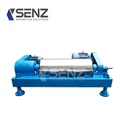
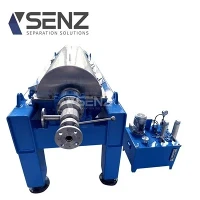
As a supplier of small decanter centrifuges, I understand the importance of throughput in various industrial applications. Throughput, defined as the amount of material a centrifuge can process in a given time, is a critical factor that directly impacts productivity and efficiency. In this blog, I will share some practical strategies to increase the throughput of a small decanter centrifuge.
1. Optimize Feed Conditions
The first step in enhancing throughput is to optimize the feed conditions. The characteristics of the feed, such as its viscosity, density, and particle size distribution, can significantly affect the centrifuge's performance.
- Viscosity: High - viscosity feeds can slow down the separation process and reduce throughput. To address this, you can pre - heat the feed to lower its viscosity. For example, in the food industry, when separating oil from high - viscosity emulsions, gently heating the feed can improve the flowability and allow the centrifuge to process more material per unit time.
- Density: A large difference in density between the components to be separated is beneficial for the centrifuge. If possible, adjust the density of the feed by adding appropriate additives or diluents. This can help the centrifuge separate the components more efficiently, thereby increasing throughput.
- Particle Size Distribution: Uniform particle size distribution is ideal for a decanter centrifuge. If the feed contains a wide range of particle sizes, larger particles may cause blockages or uneven sedimentation, reducing the centrifuge's capacity. You can use pre - screening or classification methods, such as using sieves or hydrocyclones, to ensure a more uniform particle size in the feed.
2. Adjust Centrifuge Parameters
Proper adjustment of the centrifuge's operating parameters can have a significant impact on throughput.
- Rotational Speed: Increasing the rotational speed of the centrifuge can enhance the centrifugal force, which helps in faster sedimentation and separation. However, this needs to be balanced carefully. Excessive speed may cause mechanical stress on the centrifuge components and may also lead to the re - suspension of separated particles. You should conduct tests to find the optimal rotational speed for your specific feed material. For instance, in a pharmaceutical application where separating fine particles from a liquid, a higher rotational speed within the safe range can increase the throughput by improving the separation efficiency.
- Differential Speed: The differential speed between the screw conveyor and the bowl of the decanter centrifuge controls the discharge of the separated solids. Adjusting the differential speed can optimize the solids - handling capacity. A higher differential speed can increase the rate of solids discharge, but it may also result in higher moisture content in the discharged solids. You need to find the right balance based on your process requirements.
- Feed Rate: The feed rate is directly related to throughput. However, overfeeding the centrifuge can lead to poor separation and reduced efficiency. You should gradually increase the feed rate while monitoring the centrifuge's performance, such as the clarity of the separated liquid and the dryness of the discharged solids. Once the centrifuge starts to show signs of overloading, such as increased turbidity in the effluent or excessive vibration, you should reduce the feed rate.
3. Maintain the Centrifuge Regularly
Regular maintenance is crucial for ensuring the optimal performance of a small decanter centrifuge and maximizing throughput.
- Cleaning: Over time, solids and contaminants can accumulate inside the centrifuge, reducing its efficiency. Regular cleaning of the centrifuge bowl, screw conveyor, and other components is essential. You can use appropriate cleaning agents and follow the manufacturer's recommended cleaning procedures. For example, in a wastewater treatment application, the centrifuge may be exposed to a large amount of sludge, and regular cleaning can prevent clogging and maintain high throughput.
- Lubrication: Proper lubrication of the centrifuge's bearings and other moving parts is necessary to reduce friction and wear. Using high - quality lubricants and following the recommended lubrication schedule can extend the centrifuge's service life and ensure smooth operation.
- Inspection and Repair: Conduct regular inspections of the centrifuge to detect any signs of wear, damage, or malfunction. Replace worn - out parts promptly to avoid any disruptions in operation. For example, if the seals are damaged, they can cause leakage and affect the centrifuge's performance. Timely replacement of seals can help maintain high throughput.
4. Upgrade the Centrifuge
In some cases, upgrading the centrifuge can be a viable option to increase throughput.

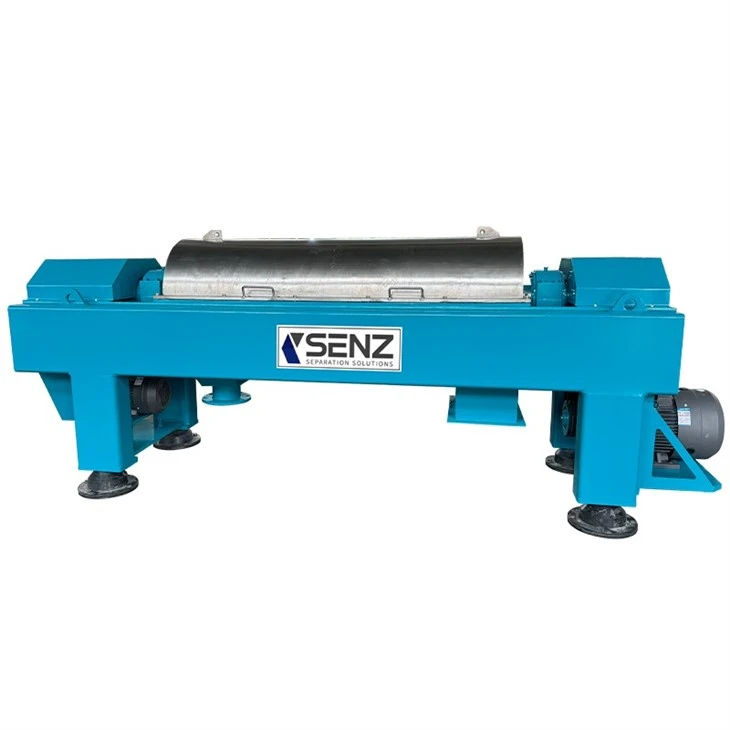
- Installing Advanced Control Systems: Modern control systems can provide more precise control over the centrifuge's operating parameters. For example, a programmable logic controller (PLC) can automatically adjust the rotational speed, differential speed, and feed rate based on the real - time conditions of the feed and the separation process. This can optimize the centrifuge's performance and increase throughput.
- Upgrading the Bowl and Screw Conveyor: Newer designs of centrifuge bowls and screw conveyors can offer improved separation efficiency and solids - handling capacity. Consider upgrading these components to a more advanced model if your production requirements have changed or if you want to increase throughput.
Applications and Related Products
Small decanter centrifuges have a wide range of applications in different industries. For example, in the protein separation process, a Protein Centrifuge can be used to separate proteins from other components in a biological sample. In the oilfield, Oilfield Drilling Equipment often includes decanter centrifuges to remove solids from drilling mud, which helps in maintaining the quality of the mud and improving drilling efficiency. In wastewater treatment plants, Wastewater Centrifuge are used to separate solids from wastewater, reducing the volume of sludge and facilitating further treatment.
Conclusion
Increasing the throughput of a small decanter centrifuge requires a comprehensive approach that includes optimizing feed conditions, adjusting centrifuge parameters, regular maintenance, and potentially upgrading the centrifuge. By implementing these strategies, you can improve the productivity and efficiency of your separation processes, ultimately leading to cost savings and better product quality.
If you are interested in learning more about our small decanter centrifuges or need advice on how to increase the throughput of your existing centrifuge, we welcome you to contact us for procurement and negotiation. We are committed to providing high - quality centrifuge solutions tailored to your specific needs.
References
- Perry, R. H., & Green, D. W. (2008). Perry's Chemical Engineers' Handbook. McGraw - Hill.
- Svarovsky, L. (1990). Solid - Liquid Separation. Butterworth - Heinemann.