
Storing a decantador properly when not in use is crucial to maintain its performance, longevity, and ensure its safe operation when you need it again. As a decantador supplier, I understand the significance of this process and would like to share some insights on how to store a decantador effectively.
Understanding the Decantador
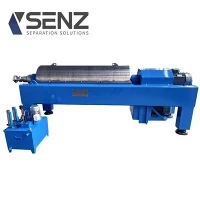
Before delving into storage methods, it's essential to understand what a decantador is and its components. A decantador, commonly known as a decanter centrifuge, is a machine used for separating solids from liquids or different liquid phases based on their density differences. It consists of a rotating bowl, a screw conveyor, a drive system, and various control components. These machines are widely used in industries such as wastewater treatment, food processing, and oil extraction. For instance, in the wastewater treatment industry, a Sludge Decanter Centrifuge is used to separate sludge from water, while in the food industry, it can be used for clarifying juices or separating cream from milk.
Pre - Storage Preparation
- Cleaning: The first step in storing a decantador is to thoroughly clean it. Residual materials left inside the machine can cause corrosion, clogging, and damage to the components over time. Start by flushing the machine with clean water to remove any loose debris. Then, use a suitable cleaning solution to clean the interior surfaces, including the bowl, screw conveyor, and inlet and outlet ports. Make sure to follow the manufacturer's instructions regarding the type of cleaning solution and the cleaning process. For example, some decantadores may require a specific pH - balanced cleaning agent to prevent damage to the stainless - steel components.
- Inspection: After cleaning, conduct a detailed inspection of the decantador. Check for any signs of wear and tear, such as damaged seals, worn bearings, or loose bolts. Replace any damaged parts immediately to prevent further damage during storage. Inspect the electrical components for any signs of damage or corrosion. If any issues are found, it's advisable to have a professional technician repair them before storing the machine.
- Draining: Ensure that all the liquid is drained from the decantador. This includes the water used for cleaning as well as any residual process liquid. Leaving liquid inside the machine can lead to rust and corrosion, especially in areas where the liquid can pool. Open all the drain valves and let the machine drain completely. You may need to use a suction device to remove any remaining liquid from hard - to - reach areas.
Storage Environment
- Temperature and Humidity: The storage environment plays a vital role in the preservation of the decantador. It should be stored in a dry, well - ventilated area with a stable temperature. High humidity can cause rust and corrosion on the metal components, while extreme temperatures can damage the rubber seals and electrical components. Ideally, the temperature should be between 10°C and 30°C, and the relative humidity should be below 60%. If the storage area is prone to high humidity, you can use dehumidifiers to control the moisture level.
- Protection from Dust and Debris: The decantador should be protected from dust and debris. Cover the machine with a suitable protective cover made of a durable material, such as canvas or plastic. This will prevent dust from settling on the components and reduce the risk of damage. If possible, store the machine in a dedicated storage room or a covered area to further protect it from external elements.
- Avoiding Vibration and Shock: During storage, the decantador should be placed on a stable surface to avoid vibration and shock. Vibration can cause loose parts to become even looser and may damage the internal components. If the storage area is near machinery or other sources of vibration, consider using vibration - isolating pads to minimize the impact.
Specific Storage Considerations for Different Components
- Bowl and Screw Conveyor: The bowl and screw conveyor are the most critical components of the decantador. After cleaning and drying, apply a thin layer of anti - rust oil to the surfaces of the bowl and screw conveyor. This will protect them from corrosion during storage. If the decantador has a large bowl, it may be necessary to support it properly to prevent deformation. You can use wooden blocks or other suitable supports to keep the bowl in a stable position.
- Drive System: The drive system, including the motor, belts, and gears, should be inspected and lubricated before storage. Check the belt tension and adjust it if necessary. Apply a suitable lubricant to the gears and bearings to prevent them from seizing up during storage. If the drive system is exposed, cover it with a protective shield to prevent dust and debris from entering.
- Electrical Components: The electrical components of the decantador, such as the control panel, sensors, and wiring, should be protected from moisture and dust. Insulate any exposed wiring to prevent short - circuits. If possible, disconnect the power supply and store the electrical components in a separate, dry container.
Long - Term Storage
If the decantador is going to be stored for an extended period, additional steps may be required.
- Periodic Maintenance: Even during storage, the decantador should undergo periodic maintenance. Every few months, check the machine for any signs of corrosion, damage, or deterioration. Rotate the bowl and screw conveyor manually to prevent them from sticking. If necessary, re - apply anti - rust oil to the components.
- Documentation: Keep detailed records of the storage process, including the cleaning, inspection, and maintenance activities. This documentation will be useful when the decantador is ready to be put back into use. It can also help in troubleshooting any issues that may arise during the storage period.
Importance of Proper Storage
Proper storage of a decantador not only extends its lifespan but also ensures its optimal performance when it is used again. A well - stored decantador will require less maintenance and repair, reducing the overall cost of ownership. It also helps in maintaining the safety of the machine, as damaged components can pose a risk to operators.
Related Products and Applications
Decantadores are often used in conjunction with other industrial equipment. For example, an Industrial Centrifuge Machine can be used for a variety of separation processes, including sludge dewatering, oil - water separation, and particle separation. A Centrifuge Machine For Sludge Dewatering is specifically designed to remove water from sludge, which is an important step in wastewater treatment. In the food industry, an Olive Oil Extractor Machine uses a decantador to separate olive oil from the olive pulp. And in waste management, Waste Dewatering is an essential process that can be achieved using a decantador.


Contact for Purchase and Consultation
If you are in the market for a decantador or need further information on storage and maintenance, we are here to help. Our team of experts can provide you with detailed product specifications, pricing, and technical support. Whether you are a small - scale business or a large industrial enterprise, we have the right decantador solution for you. Contact us to start a discussion about your specific requirements and how our decantadores can meet your needs.
References
- Manufacturer's manuals for decantador operation and maintenance.
- Industry standards and best practices for centrifuge storage and maintenance.
- Technical literature on corrosion prevention and material protection in industrial equipment.