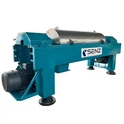

Operating a sludge decanter centrifuge is a task that demands meticulous attention to safety. As a trusted sludge decanter centrifuge supplier, we understand the critical importance of adhering to strict safety protocols to ensure the well - being of operators and the efficient operation of the equipment. In this blog, we will delve into the essential safety precautions that should be taken when operating a sludge decanter centrifuge.
Pre - operation Safety Checks
Before starting the sludge decanter centrifuge, a comprehensive pre - operation inspection is vital. First, visually inspect the centrifuge for any signs of physical damage such as cracks, dents, or loose parts. Check the integrity of the housing, the drive system, and the feed and discharge ports. Any damage should be reported and repaired immediately before operation.
Inspect the electrical connections. Ensure that the power supply is properly grounded to prevent electrical shocks. Check for frayed wires, loose terminals, or any signs of electrical malfunction. If any issues are detected, do not attempt to operate the centrifuge until a qualified electrician has resolved the problem.
Verify the lubrication levels of the centrifuge. Adequate lubrication is crucial for the smooth operation of the moving parts, such as the bearings and the drive system. Refer to the manufacturer's guidelines for the correct type and amount of lubricant to use. Insufficient lubrication can lead to increased friction, overheating, and premature wear of components.
Personal Protective Equipment (PPE)
Operators must wear appropriate personal protective equipment at all times during the operation of the sludge decanter centrifuge. Safety goggles are essential to protect the eyes from flying debris, splashes of sludge, or chemical agents that may be present in the sludge. A face shield can provide additional protection, especially when dealing with high - pressure discharges.
Wear protective gloves to prevent skin contact with the sludge, which may contain harmful chemicals or pathogens. The gloves should be made of a material that is resistant to the specific chemicals present in the sludge. For example, if the sludge contains strong acids or alkalis, chemical - resistant gloves are necessary.


Hearing protection is also important, as the operation of the centrifuge can generate high levels of noise. Earplugs or earmuffs should be worn to prevent hearing damage over time. A safety helmet is recommended to protect the head from any potential falling objects or impacts.
Operational Safety
During the operation of the sludge decanter centrifuge, it is essential to follow the operating instructions provided by the manufacturer. Do not exceed the recommended operating speed or capacity of the centrifuge. Overloading the centrifuge can lead to imbalance, which can cause excessive vibration, damage to the equipment, and even pose a safety hazard.
Monitor the operation of the centrifuge closely. Pay attention to any abnormal noises, vibrations, or changes in temperature. If any of these occur, stop the centrifuge immediately and investigate the cause. Continuing to operate a malfunctioning centrifuge can lead to serious damage and safety risks.
Keep the area around the centrifuge clean and free of clutter. This reduces the risk of tripping and falling, and also allows for easy access to the centrifuge in case of an emergency. Do not place any objects on top of the centrifuge or in the vicinity of the moving parts.
Maintenance and Cleaning
Regular maintenance is crucial for the safe and efficient operation of the sludge decanter centrifuge. Follow the manufacturer's recommended maintenance schedule, which may include tasks such as lubrication, filter replacement, and inspection of the drive system.
When cleaning the centrifuge, ensure that it is turned off and disconnected from the power supply. Use appropriate cleaning agents and follow the recommended cleaning procedures. Avoid using abrasive materials that could damage the centrifuge components.
Emergency Preparedness
Have an emergency plan in place in case of an accident or malfunction. This plan should include procedures for shutting down the centrifuge, evacuating the area, and providing first - aid. All operators should be trained on the emergency plan and know how to respond in case of an emergency.
Install emergency stop buttons in easily accessible locations around the centrifuge. These buttons should be clearly marked and tested regularly to ensure they are in working order.
Safety in Special Applications
In some cases, the sludge decanter centrifuge may be used in special applications such as Fruit Pulp Decanter Centrifuge, Wheat Starch Extraction, or Waste Dewatering. In these applications, additional safety precautions may be required.
For example, in fruit pulp decanter centrifuges, there may be a risk of contamination from the fruit pulp. Operators should ensure that the centrifuge is properly sanitized between batches to prevent the growth of bacteria. In wheat starch extraction, the centrifuge may be exposed to fine dust particles, which can pose a respiratory hazard. Operators should wear appropriate respiratory protection in such cases.
In waste dewatering applications, the sludge may contain hazardous chemicals or pathogens. Operators should take extra care to prevent exposure to these substances and follow strict safety protocols for handling and disposing of the waste.
Conclusion
Operating a sludge decanter centrifuge safely requires a combination of pre - operation checks, proper use of personal protective equipment, adherence to operating instructions, regular maintenance, and emergency preparedness. By following these safety precautions, operators can minimize the risk of accidents and ensure the long - term reliable operation of the centrifuge.
If you are in the market for a high - quality sludge decanter centrifuge or need more information about safety precautions, we invite you to contact us for a detailed discussion. Our team of experts is ready to assist you in finding the right solution for your specific needs.
References
- Manufacturer's operating manual for sludge decanter centrifuge.
- Occupational Safety and Health Administration (OSHA) guidelines for operating industrial equipment.
- Industry best practices for centrifuge safety.