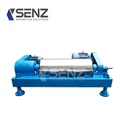

Using a 3 - Phase Decanter Centrifuge with radioactive materials demands the highest level of safety and precision. As a reputable 3 - Phase Decanter Centrifuge supplier, we understand the critical nature of these operations. Our products, such as the Three-Phase Separation Decanter, Olive Oil Decanter Centrifuge, and Industrial Waste Oil Centrifuge, are engineered to meet stringent safety standards even when dealing with the most hazardous substances.
Understanding the Risks
Radioactive materials pose several unique risks, including ionizing radiation, contamination, and potential long - term health effects. Ionizing radiation can damage living cells, leading to various health problems ranging from skin burns to increased cancer risks. Contamination of the environment, equipment, and personnel is also a significant concern. If radioactive particles are released into the air, water, or soil, they can have far - reaching consequences.
Facility Design and Layout
The first line of defense when using a 3 - Phase Decanter Centrifuge with radioactive materials is the design of the facility. The centrifuge should be placed in a dedicated, well - shielded room. Lead or thick concrete walls can be used to absorb and block ionizing radiation. The room should have a negative - pressure ventilation system. This ensures that any contaminated air is drawn into the ventilation system and filtered before being released outside.
The layout of the facility should also minimize the movement of radioactive materials and personnel. There should be clearly marked pathways for the transportation of samples and waste, as well as separate areas for clean and contaminated equipment storage. Airlocks can be installed at the entrance and exit of the centrifuge room to prevent the accidental escape of radioactive particles.
Personal Protective Equipment (PPE)
Proper PPE is essential for anyone working with radioactive materials in conjunction with a 3 - Phase Decanter Centrifuge. Workers should wear radiation - resistant clothing, including lead aprons, gloves, and goggles. These items should be regularly tested for integrity to ensure they provide adequate protection.
In addition to radiation - resistant gear, workers should also wear disposable coveralls, shoe covers, and hairnets to prevent contamination of their personal clothing and the spread of radioactive particles. Respiratory protection, such as high - efficiency particulate air (HEPA) filters or self - contained breathing apparatus (SCBA), may be required depending on the level of radioactive contamination in the air.
Equipment Inspection and Maintenance
Regular inspection and maintenance of the 3 - Phase Decanter Centrifuge are crucial for safe operation. Before each use, the centrifuge should be visually inspected for any signs of damage or wear. This includes checking the seals, bearings, and electrical connections. Any damaged parts should be replaced immediately.
The centrifuge should also be calibrated regularly to ensure accurate separation of the phases and proper functioning. Maintenance records should be kept to track the history of inspections, repairs, and calibration. This documentation can be invaluable in identifying potential problems and ensuring compliance with safety regulations.
Training and Education
All personnel involved in the operation of the 3 - Phase Decanter Centrifuge with radioactive materials should receive comprehensive training. This training should cover the basics of radiation safety, including the types of radiation, their effects on the human body, and how to measure and monitor radiation levels.
Workers should also be trained on the specific operation of the 3 - Phase Decanter Centrifuge. This includes loading and unloading samples, setting the appropriate parameters for separation, and troubleshooting common problems. Emergency response training is also essential. Workers should know how to respond in case of a radiation leak, equipment malfunction, or other emergencies.
Radiation Monitoring
Continuous radiation monitoring is necessary when using a 3 - Phase Decanter Centrifuge with radioactive materials. Radiation detectors should be installed in the centrifuge room, as well as in other areas of the facility where radioactive materials are present. These detectors can measure the level of radiation in real - time and provide an early warning in case of a leak or abnormal increase in radiation levels.
Personal dosimeters should be worn by all workers to track their individual radiation exposure. These dosimeters can record the cumulative radiation dose received by a worker over a period of time. Regularly reviewing dosimeter readings can help ensure that workers do not exceed the allowable radiation exposure limits.


Waste Management
Proper waste management is a critical aspect of using a 3 - Phase Decanter Centrifuge with radioactive materials. Radioactive waste generated during the separation process should be collected in specially designed containers. These containers should be labeled clearly with the type and amount of radioactive material they contain.
The waste should be stored in a secure, shielded area until it can be disposed of properly. Disposal of radioactive waste must comply with all local, national, and international regulations. This may involve transporting the waste to a licensed disposal facility, where it will be treated and stored safely.
Emergency Preparedness
Despite all the safety measures in place, emergencies can still occur. A comprehensive emergency preparedness plan should be in place for the facility. This plan should include procedures for handling radiation leaks, equipment failures, and medical emergencies.
Emergency response teams should be trained and equipped to handle these situations. They should have access to emergency supplies, such as radiation - neutralizing agents, first - aid kits, and decontamination equipment. Regular emergency drills should be conducted to ensure that all workers are familiar with the emergency procedures.
Quality Assurance and Compliance
To ensure the highest level of safety, a quality assurance program should be implemented. This program should include regular audits of the facility, equipment, and procedures. Audits can help identify any areas where safety measures are not being followed or where improvements can be made.
Compliance with all relevant safety regulations is also essential. These regulations may vary depending on the country and the type of radioactive materials being used. Staying up - to - date with the latest regulations and ensuring full compliance can help prevent accidents and protect the health of workers and the environment.
Conclusion
Using a 3 - Phase Decanter Centrifuge with radioactive materials is a complex and high - risk operation. However, by implementing the safety measures outlined above, we can significantly reduce the risks associated with these operations. As a 3 - Phase Decanter Centrifuge supplier, we are committed to providing our customers with the highest - quality equipment and support to ensure safe and efficient operation.
If you are in need of a 3 - Phase Decanter Centrifuge for use with radioactive materials or have any questions about our safety measures, we encourage you to contact us to discuss your specific requirements. Our team of experts is ready to help you find the best solution for your needs.
References
- International Atomic Energy Agency (IAEA). Safety Standards for Radiation Protection and Radioactive Waste Management.
- Occupational Safety and Health Administration (OSHA). Radiation Safety Guidelines.
- American National Standards Institute (ANSI). Standards for Centrifuge Safety in Radioactive Environments.