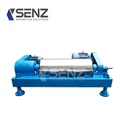

As a reputable supplier of Sludge Decanter Centrifuges, ensuring the safety of the electrical system in these machines is of utmost importance. A well - functioning electrical system not only guarantees the efficient operation of the centrifuge but also safeguards the operators and the surrounding environment. In this blog, I'll share some key strategies and practices to ensure the electrical safety of sludge decanter centrifuges.
1. Regular Inspections and Maintenance
One of the fundamental steps in ensuring electrical safety is conducting regular inspections and maintenance. Electrical components in a sludge decanter centrifuge, such as motors, control panels, and wiring, are subject to wear and tear over time. Loose connections, frayed wires, and damaged insulation can pose significant safety risks, including electrical shocks and short - circuits.
We recommend establishing a comprehensive inspection schedule. Trained technicians should visually inspect all electrical components at least once a month. They should check for signs of overheating, such as discoloration or a burning smell, which could indicate a problem with the electrical system. Additionally, the insulation resistance of the wiring should be measured periodically to ensure it meets the required standards.
During maintenance, any damaged or worn - out components should be replaced immediately. For example, if a motor bearing is making unusual noises or if the control panel shows signs of malfunction, it's crucial to address these issues promptly. Using high - quality replacement parts is essential to maintain the reliability and safety of the electrical system.
2. Proper Installation
The installation of the electrical system in a sludge decanter centrifuge is a critical stage that can significantly impact its safety. It should be carried out by qualified electricians who are familiar with the specific requirements of centrifuge equipment.
First, the electrical system should be installed in accordance with local electrical codes and standards. This includes proper grounding of all electrical components to prevent electrical shocks. The grounding system should be designed to carry fault currents safely to the ground, protecting both the equipment and the operators.
The wiring should be routed in a way that minimizes the risk of damage. It should be kept away from moving parts, sharp edges, and areas where it could be exposed to chemicals or moisture. Cable trays or conduits can be used to protect the wiring and ensure its long - term integrity.
Moreover, the electrical connections should be made securely. Loose connections can lead to increased resistance, which in turn can cause overheating and potential fire hazards. Each connection point should be tightened to the manufacturer's specifications.
3. Protection Against Environmental Factors
Sludge decanter centrifuges often operate in harsh environments, which can pose challenges to the electrical system. Moisture, dust, and chemicals can all have a detrimental effect on electrical components.
To protect against moisture, the electrical enclosures should be properly sealed. IP (Ingress Protection) rated enclosures can be used to prevent water and dust from entering the electrical components. For example, an IP65 - rated enclosure provides protection against dust ingress and low - pressure water jets.
In environments where chemicals are present, the electrical components should be made of materials that are resistant to corrosion. Special coatings or materials can be used to protect the wiring and electrical enclosures from chemical damage. Additionally, ventilation systems can be installed to remove any harmful fumes or vapors from the vicinity of the electrical system.
4. Training for Operators
Proper training for operators is essential to ensure the safety of the electrical system in a sludge decanter centrifuge. Operators should be educated about the basic principles of the electrical system, as well as the safety procedures to follow.
They should be trained to recognize the signs of electrical problems, such as abnormal noises, odors, or warning lights on the control panel. In case of any suspected electrical issues, they should know how to shut down the centrifuge safely and report the problem to the maintenance team.
Operators should also be instructed on how to handle the electrical controls properly. For example, they should know the correct sequence for starting and stopping the centrifuge to avoid overloading the electrical system. Regular refresher training sessions can help keep the operators updated on the latest safety practices.


5. Use of Safety Devices
Installing appropriate safety devices is an effective way to enhance the safety of the electrical system in a sludge decanter centrifuge.
Over - current protection devices, such as circuit breakers and fuses, should be installed to prevent excessive current from flowing through the electrical system. These devices will automatically trip or blow when the current exceeds a certain level, protecting the electrical components from damage.
Ground - fault circuit interrupters (GFCIs) can also be used to detect any leakage of current to the ground. If a ground - fault is detected, the GFCI will quickly interrupt the electrical circuit, reducing the risk of electrical shock.
Emergency stop buttons should be easily accessible and clearly marked. In case of an emergency, operators can press these buttons to immediately shut down the centrifuge and cut off the power supply to the electrical system.
6. Monitoring and Diagnostic Systems
Modern sludge decanter centrifuges can be equipped with monitoring and diagnostic systems to continuously assess the health of the electrical system. These systems can collect data on various parameters, such as current, voltage, temperature, and vibration.
By analyzing this data, potential problems can be detected early, allowing for preventive maintenance. For example, if the temperature of a motor starts to rise steadily, it could indicate a problem with the motor's cooling system or an impending failure. The monitoring system can send alerts to the maintenance team, enabling them to take corrective action before a major breakdown occurs.
Some advanced diagnostic systems can also provide detailed information about the root cause of the problem, helping technicians to quickly identify and fix the issue. This not only improves the safety of the electrical system but also reduces downtime and maintenance costs.
Conclusion
Ensuring the safety of the electrical system in a sludge decanter centrifuge is a multi - faceted process that requires attention to detail at every stage, from installation to operation and maintenance. By following the strategies outlined above, including regular inspections, proper installation, protection against environmental factors, operator training, use of safety devices, and implementation of monitoring systems, we can minimize the risks associated with the electrical system and ensure the reliable and safe operation of the centrifuge.
If you are in the market for a high - quality sludge decanter centrifuge or need further advice on electrical safety, feel free to contact us for procurement and in - depth discussions. We are committed to providing you with the best solutions for your wastewater treatment needs. You can also explore more about our products, such as Wastewater Treatment Sludge Dewatering, Centrifuge Oil Separator, and DDGS Dewatering Centrifuge.
References
- Electrical Safety Standards for Industrial Equipment, National Electrical Code (NEC)
- Manufacturer's Manuals for Sludge Decanter Centrifuges
- Research Papers on Electrical System Safety in Industrial Machinery