


In the realm of modern agriculture and waste management, manure decanter centrifuges have emerged as indispensable tools. As a seasoned supplier of manure decanter centrifuges, I've witnessed firsthand the transformative impact these machines can have on farms and waste treatment facilities. One question that frequently arises from potential customers is whether there are any subsidies available for purchasing a manure decanter centrifuge. In this blog post, I'll delve into this topic, exploring the possibilities of subsidies, the reasons behind them, and how they can benefit both the environment and the bottom line.
The Importance of Manure Decanter Centrifuges
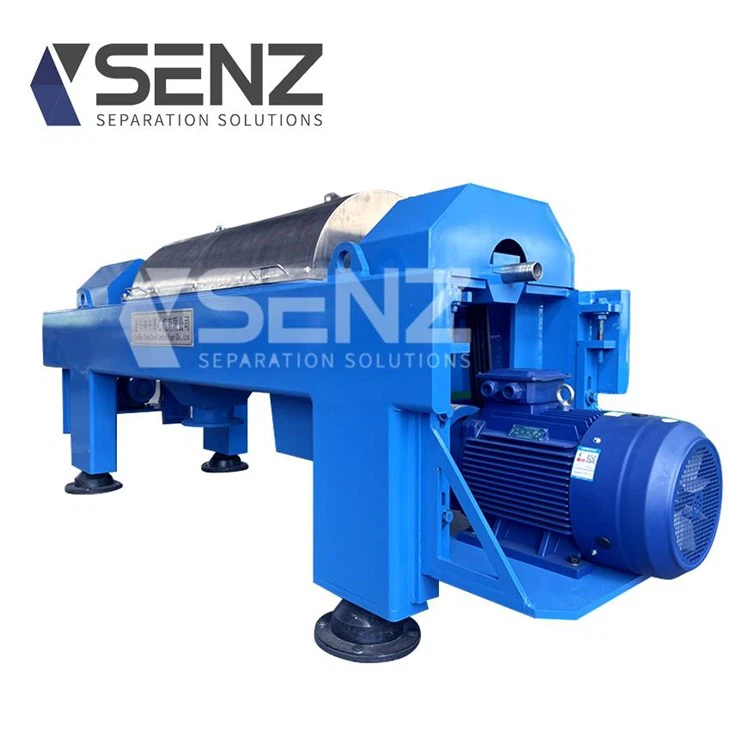
Before we dive into the topic of subsidies, let's first understand the significance of manure decanter centrifuges. These machines are designed to separate solid and liquid components from manure, offering a range of benefits for farmers and waste management professionals.
Environmental Benefits
Manure contains high levels of nutrients, such as nitrogen, phosphorus, and potassium, which can be harmful to the environment if not properly managed. When manure is left untreated, it can contaminate water sources, contribute to air pollution, and emit greenhouse gases. By using a manure decanter centrifuge, farmers can separate the solid and liquid components of manure, allowing for more efficient nutrient management. The solid fraction can be used as a valuable organic fertilizer, while the liquid fraction can be treated and reused for irrigation or other purposes. This reduces the environmental impact of manure disposal and helps to protect water quality and air resources.
Economic Benefits
In addition to their environmental benefits, manure decanter centrifuges can also provide significant economic advantages. By separating the solid and liquid components of manure, farmers can reduce the volume of manure that needs to be transported and stored, saving on transportation and storage costs. The solid fraction can be sold as a high-quality organic fertilizer, generating additional revenue for the farm. The liquid fraction can be treated and reused for irrigation, reducing the need for expensive chemical fertilizers and saving on water costs. Overall, the use of manure decanter centrifuges can help to improve the economic sustainability of farms and waste treatment facilities.
Are there any subsidies for purchasing a manure decanter centrifuge?
The availability of subsidies for purchasing a manure decanter centrifuge varies depending on the country, region, and specific government programs. In many cases, governments offer subsidies or incentives to encourage the adoption of environmentally friendly technologies and practices, including the use of manure decanter centrifuges.
Government Programs
In the United States, for example, the Natural Resources Conservation Service (NRCS) offers several programs that provide financial assistance to farmers and ranchers for the installation of manure management systems, including manure decanter centrifuges. The Environmental Quality Incentives Program (EQIP) provides cost-share assistance to eligible producers for the implementation of conservation practices that address natural resource concerns, such as water quality, soil health, and air quality. The Conservation Stewardship Program (CSP) provides financial and technical assistance to producers who implement a comprehensive conservation plan that includes the use of manure management practices.
In the European Union, the Common Agricultural Policy (CAP) provides support for farmers and rural areas, including measures to promote environmental sustainability and the efficient use of natural resources. The CAP includes several programs that provide financial assistance for the installation of manure management systems, such as the Rural Development Program (RDP) and the European Innovation Partnership for Agricultural Productivity and Sustainability (EIP-AGRI).
Industry Incentives
In addition to government programs, some industries may offer incentives or rebates for the purchase of manure decanter centrifuges. For example, some fertilizer companies may offer rebates or discounts on the purchase of manure decanter centrifuges to farmers who use their products. This can help to offset the cost of purchasing and installing the equipment and encourage the adoption of more sustainable manure management practices.
How to Find and Apply for Subsidies
If you're interested in purchasing a manure decanter centrifuge and exploring the possibility of subsidies or incentives, there are several steps you can take to find and apply for these programs.
Research Government Programs
The first step is to research the government programs available in your country or region. Visit the websites of government agencies responsible for agriculture, environment, or natural resources to learn more about the programs and eligibility criteria. You can also contact your local agricultural extension office or conservation district for more information and assistance.
Contact Industry Organizations
In addition to government programs, some industry organizations may offer incentives or rebates for the purchase of manure decanter centrifuges. Contact your local agricultural or livestock association to learn more about any available programs or incentives. You can also check with equipment manufacturers or suppliers to see if they offer any financing options or rebates.

Prepare a Proposal
Once you've identified the programs or incentives that you're eligible for, you'll need to prepare a proposal that outlines your project and the benefits it will provide. Your proposal should include information about your farm or business, the type of manure decanter centrifuge you're interested in purchasing, the expected environmental and economic benefits of the project, and the estimated cost of the equipment and installation. You may also need to provide supporting documentation, such as financial statements, environmental impact assessments, and letters of support from other stakeholders.
Submit Your Application
After you've prepared your proposal, you'll need to submit it to the appropriate government agency or industry organization for review. The application process may vary depending on the program or incentive, but it typically involves filling out an application form, providing supporting documentation, and undergoing a review and approval process. Make sure to follow the instructions carefully and submit your application by the deadline.
Conclusion
In conclusion, the availability of subsidies for purchasing a manure decanter centrifuge depends on a variety of factors, including the country, region, and specific government programs. However, in many cases, governments and industries offer incentives and financial assistance to encourage the adoption of environmentally friendly technologies and practices, including the use of manure decanter centrifuges. By taking advantage of these subsidies and incentives, farmers and waste management professionals can reduce the cost of purchasing and installing the equipment and improve the economic and environmental sustainability of their operations.
If you're interested in learning more about manure decanter centrifuges or exploring the possibility of subsidies or incentives, please don't hesitate to contact us. As a leading supplier of manure decanter centrifuges, we have the expertise and experience to help you find the right equipment for your needs and guide you through the application process. You can also visit our website to learn more about our products and services:
- Decanter Centrifuge Separation Wastewater
- Oilfield Drilling Equipment
- Black Diesel Oil Centrifuge
- Tapioca Extraction Centrifuge
- Coal Tar Decanter Centrifuge
Let's work together to create a more sustainable future for agriculture and waste management.
References
- Natural Resources Conservation Service. (n.d.). Environmental Quality Incentives Program (EQIP). Retrieved from [NRCS website]
- Natural Resources Conservation Service. (n.d.). Conservation Stewardship Program (CSP). Retrieved from [NRCS website]
- European Commission. (n.d.). Common Agricultural Policy (CAP). Retrieved from [European Commission website]
- European Commission. (n.d.). Rural Development Program (RDP). Retrieved from [European Commission website]
- European Commission. (n.d.). European Innovation Partnership for Agricultural Productivity and Sustainability (EIP-AGRI). Retrieved from [European Commission website]


