
Hey there! As a supplier of sludge dewatering equipment, I've been getting a lot of questions lately about how our gear performs in low - temperature environments. So, let's dive right into it and talk about the dewatering efficiency of sludge dewatering equipment when the mercury drops.
First off, we need to understand why low - temperature environments can be a challenge for sludge dewatering. Sludge is a complex mixture of water, solids, and various contaminants. In normal conditions, the dewatering process involves separating the water from the solids, and this is usually done with the help of chemicals and mechanical processes.
But when it gets cold, things start to change. The viscosity of the sludge increases as the temperature drops. Think of it like honey in the fridge – it gets thicker and more difficult to move around. This increased viscosity makes it harder for the water to separate from the solids, which can significantly impact the dewatering efficiency.


Another issue is the performance of the chemicals we use in the dewatering process. Most of the flocculants we rely on to help clump the solids together work best within a certain temperature range. When it's cold, their effectiveness can decrease, meaning we might need to use more of them to achieve the same results. This not only adds to the cost but can also have an impact on the environment.
Now, let's talk about the different types of sludge dewatering equipment and how they fare in low - temperature conditions.
Centrifuges
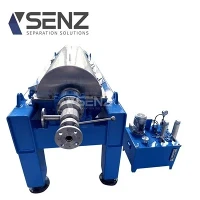
Centrifuges are a popular choice for sludge dewatering. They work by spinning the sludge at high speeds, using centrifugal force to separate the water from the solids. In low - temperature environments, the increased viscosity of the sludge can make it harder for the centrifuge to do its job. The thicker sludge might not flow as smoothly through the centrifuge, which can lead to reduced separation efficiency.
However, if you're using a centrifuge, proper maintenance is key. Check out our Centrifuge Maintenance page for tips on keeping your centrifuge in top shape, especially in cold weather. Regular maintenance can help ensure that the centrifuge continues to operate at an optimal level, even when the temperature drops.
Belt Presses
Belt presses use a series of belts to squeeze the water out of the sludge. The pressure applied by the belts helps to separate the water from the solids. In low - temperature environments, the belts can become stiffer, which can affect their ability to apply the right amount of pressure. This can result in less efficient dewatering.
To counter this, it's important to keep the belts properly lubricated and adjusted. Additionally, you might need to increase the pressure settings on the belt press to compensate for the increased viscosity of the sludge.
Plate and Frame Filter Presses
Plate and frame filter presses work by forcing the sludge through a series of plates and frames, which separate the water from the solids. In cold weather, the reduced flow rate of the sludge due to increased viscosity can slow down the dewatering process. The filter cloths used in these presses can also become less effective as they can get clogged more easily with the thicker sludge.
One way to improve the efficiency of plate and frame filter presses in low - temperature environments is to pre - heat the sludge. This can help reduce its viscosity and make it easier to filter.
The Role of Flocculants
Flocculants play a crucial role in the sludge dewatering process. They help to clump the solids together, making it easier to separate them from the water. In low - temperature environments, as I mentioned earlier, the effectiveness of flocculants can be reduced.
That's where our Flocculant Auto Dosing System comes in handy. This system can accurately adjust the amount of flocculant being added to the sludge based on the temperature and other factors. By ensuring the right amount of flocculant is used, we can improve the dewatering efficiency even in cold conditions.
Other Considerations
In addition to the equipment and chemicals, there are other factors that can affect the dewatering efficiency in low - temperature environments. For example, the insulation of the equipment can make a big difference. Properly insulated equipment can help maintain a more stable temperature inside, reducing the impact of the cold outside.
Another thing to consider is the transportation of the sludge. If the sludge is transported in open trucks in cold weather, it can cool down further, increasing its viscosity. Using insulated trucks or covering the sludge during transportation can help prevent this.
Improving Dewatering Efficiency in Low - Temperature Environments
So, how can we improve the dewatering efficiency of our sludge dewatering equipment in low - temperature environments?
- Pre - treatment: Pre - heating the sludge can significantly reduce its viscosity, making it easier to dewater. This can be done using heat exchangers or other heating methods.
- Chemical optimization: As mentioned, using a flocculant auto - dosing system can help ensure the right amount of flocculant is used. Additionally, choosing flocculants that are more effective in low - temperature conditions can also improve the dewatering efficiency.
- Equipment maintenance: Regular maintenance of the equipment is crucial. This includes checking and adjusting the belts, plates, and other components to ensure they are working properly.
- Insulation: Insulating the equipment and transportation containers can help maintain a more stable temperature, reducing the impact of the cold.
Conclusion
In conclusion, the dewatering efficiency of sludge dewatering equipment in low - temperature environments can be significantly affected by the increased viscosity of the sludge and the reduced effectiveness of the chemicals. However, by taking the right steps, such as pre - treatment, chemical optimization, equipment maintenance, and insulation, we can improve the efficiency and ensure that our equipment continues to perform well even in cold weather.
If you're in the market for sludge dewatering equipment or need to improve the performance of your existing setup in low - temperature environments, we're here to help. We offer a wide range of high - quality sludge dewatering equipment, including Screw Conveyor and other related products. Contact us to discuss your specific needs and let's work together to find the best solution for you.
References
- Smith, J. (2018). Sludge Dewatering in Harsh Environments. Journal of Environmental Engineering.
- Johnson, R. (2019). Impact of Temperature on Sludge Dewatering Efficiency. Water Treatment Research.