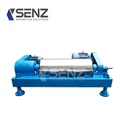

As a trusted supplier of 3 - Phase Decanter Centrifuges, I understand the importance of proper maintenance and cleaning for these sophisticated machines. A well - maintained centrifuge not only ensures optimal performance but also extends its lifespan. In this blog, I'll share a detailed guide on how to clean a 3 - Phase Decanter Centrifuge.
Pre - cleaning Preparations
Before you start the cleaning process, it's crucial to take some preparatory steps. First, ensure that the centrifuge is completely shut down and disconnected from the power source. This is a basic safety measure that prevents any accidental start - up during the cleaning process, which could lead to serious injuries.
Next, gather all the necessary cleaning tools and materials. You'll typically need a soft - bristle brush, a non - abrasive sponge, a cleaning solution recommended by the centrifuge manufacturer, and safety equipment such as gloves and goggles. The cleaning solution should be compatible with the materials used in the centrifuge to avoid any damage.
Exterior Cleaning
The exterior of the 3 - Phase Decanter Centrifuge is the first area to clean. Use a damp sponge or cloth with the appropriate cleaning solution to wipe down the outer surfaces. Pay special attention to areas where dirt, dust, or spills may have accumulated, such as around the control panel, the motor housing, and the feed and discharge ports.
Be gentle when cleaning the control panel to avoid damaging any sensitive components. If there are stubborn stains, you can use a soft - bristle brush to carefully scrub the area. After cleaning, dry the exterior thoroughly with a clean, dry cloth to prevent rust and corrosion.
Disassembly (if required)
In some cases, it may be necessary to disassemble certain parts of the centrifuge for a more thorough cleaning. This usually involves removing the feed and discharge pipes, the conveyor, and the bowl. However, disassembly should only be done by trained personnel who are familiar with the centrifuge's structure and operation.
Before disassembling any parts, refer to the centrifuge's user manual for detailed instructions. Make sure to label all the parts and keep them organized to ensure easy reassembly later.
Cleaning the Internal Components
Once the necessary parts are disassembled, you can start cleaning the internal components. The bowl and the conveyor are the two main internal parts that require special attention.
Bowl Cleaning
The bowl is where the separation process takes place, so it can accumulate a significant amount of residue over time. Fill a large container with the cleaning solution and soak the bowl in it for a specified period, as recommended by the manufacturer. This helps to loosen the stubborn deposits.
After soaking, use a soft - bristle brush to scrub the inner surface of the bowl. Pay close attention to the areas around the inlet and outlet ports, as well as any crevices or grooves where debris may be trapped. Rinse the bowl thoroughly with clean water to remove all the cleaning solution and residue.
Conveyor Cleaning
The conveyor is responsible for transporting the separated solids out of the centrifuge. Similar to the bowl, soak the conveyor in the cleaning solution to dissolve any attached solids. Use a brush to clean the conveyor blades and the shaft. Make sure to remove all the debris from the spaces between the blades.
After cleaning, rinse the conveyor with clean water and dry it completely before reassembly.
Reassembly
Once all the components are clean and dry, it's time to reassemble the centrifuge. Follow the disassembly steps in reverse order, referring to the labels you made earlier. Make sure all the parts are properly aligned and tightened to prevent any leaks or malfunctions.
Check the seals and gaskets during reassembly. If they are damaged or worn out, replace them with new ones to ensure a proper seal.


Testing and Sanitization
After reassembly, it's important to test the centrifuge to ensure that it is working properly. Reconnect the power source and run the centrifuge for a short period without any feed material. Check for any unusual noises, vibrations, or leaks.
Finally, sanitize the centrifuge to remove any remaining bacteria or contaminants. Use a sanitizing solution recommended by the manufacturer and follow the instructions carefully. This step is especially important if the centrifuge is used in food, pharmaceutical, or other industries where hygiene is critical.
Regular Cleaning Schedule
To maintain the performance and longevity of your 3 - Phase Decanter Centrifuge, it's essential to establish a regular cleaning schedule. The frequency of cleaning depends on several factors, such as the type of material being processed, the operating conditions, and the manufacturer's recommendations.
For example, if the centrifuge is used to process highly viscous or abrasive materials, it may need to be cleaned more frequently than if it is used for less demanding applications. In general, a weekly or bi - weekly cleaning is recommended for most applications, with a more thorough cleaning and maintenance check every few months.
Benefits of Proper Cleaning
Proper cleaning of a 3 - Phase Decanter Centrifuge offers several benefits. Firstly, it ensures accurate and efficient separation of different phases, whether it's oil, water, and solids in Avocado And Palm Oil Extraction Centrifuge applications or sludge dewatering in Sludge Dewatering Unit operations.
Secondly, it reduces the risk of mechanical failures and breakdowns. By removing the build - up of debris and contaminants, you can prevent excessive wear and tear on the centrifuge's components, such as the bearings, seals, and motors.
Finally, proper cleaning helps to maintain a clean and safe working environment. It reduces the risk of cross - contamination and ensures compliance with industry regulations and standards.
Conclusion
Cleaning a 3 - Phase Decanter Centrifuge is a meticulous process that requires attention to detail and adherence to safety procedures. By following the steps outlined in this blog, you can ensure that your centrifuge remains in optimal condition and continues to deliver reliable performance.
If you are in the market for a high - quality 3 Phase Centrifuge or need further advice on centrifuge maintenance and cleaning, we are here to help. Our team of experts can provide you with the best solutions tailored to your specific needs. Don't hesitate to contact us for more information and to discuss your procurement requirements.
References
- Manufacturer's user manual for 3 - Phase Decanter Centrifuge
- Industry standards and guidelines for centrifuge maintenance and cleaning