


Can a decantador be used for old wines? That's a question I've been asked a lot lately, especially since I'm a decantador supplier. I'm here to tell you all about it, so let's dive right in!
First off, what's a decantador? Well, it's basically a device used to separate wine from its sediment and aerate it at the same time. When you pour wine from a bottle into a decantador, you leave the sediment behind in the bottle, and the wine gets exposed to air, which can enhance its flavor and aroma.
Now, when it comes to old wines, things get a bit more interesting. Old wines often have a lot of sediment. Over time, the tannins and other particles in the wine start to settle at the bottom of the bottle. This sediment isn't harmful, but it can make the wine taste a bit gritty if you drink it. That's where a decantador comes in handy.
Using a decantador for old wines has several benefits. One of the main ones is getting rid of the sediment. By carefully pouring the wine into the decantador, you can leave all that unwanted stuff in the bottle. This results in a cleaner, smoother - tasting wine.
Another benefit is aeration. Old wines can sometimes be a bit "closed - off" in terms of their flavors. Aerating the wine by pouring it into a decantador allows the flavors to open up. The wine gets exposed to oxygen, and the volatile compounds in the wine start to interact with it. This can bring out the fruity, floral, or spicy notes that might otherwise be hidden.
But there are also some things to keep in mind when using a decantador for old wines. Old wines are delicate. They've been aging in the bottle for a long time, and sudden exposure to too much air can be a bad thing. You don't want to over - aerate the wine. Some old wines are so fragile that they might start to lose their flavor and aroma if they're left in the decantador for too long.
So, how do you use a decantador for old wines properly? First, make sure the wine has been standing upright for at least 24 hours before decanting. This allows the sediment to settle at the bottom of the bottle. Then, when you're ready to decant, do it slowly and carefully. Hold the bottle at an angle and pour the wine into the decantador, keeping an eye on the sediment level in the bottle. Once you start to see the sediment approaching the neck of the bottle, stop pouring.
Now, let's talk about the different types of decantadors available. There are all sorts of shapes and sizes out there. Some are designed to maximize aeration, while others are more focused on sediment separation. As a decantador supplier, I've seen a wide variety of them.
For old wines, a decantador with a wide base can be a good choice. The wide base allows the wine to spread out, increasing the surface area that's exposed to air. This helps with aeration, but you still need to be careful not to over - do it.
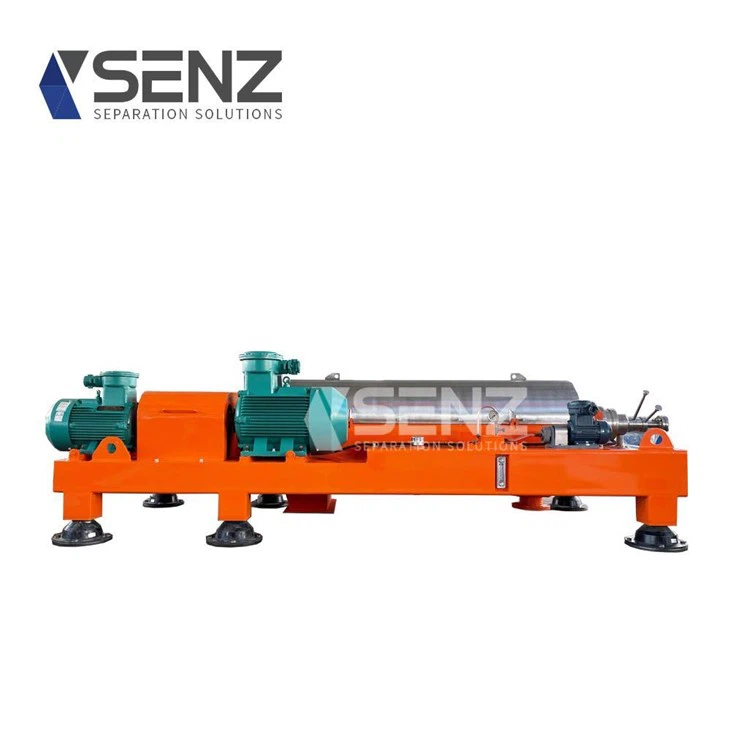
If you're in the market for a decantador, you might also be interested in other related products. For example, we have some great Tailings Dewatering Decanter Centrifuge, Sewage Decanter Centrifuge, and Separation Decanter Centrifuge options. These are used for different industrial separation processes, but they show our expertise in the field of separation technology.

In conclusion, a decantador can definitely be used for old wines, and it can enhance your wine - drinking experience in many ways. But you need to use it correctly. Take your time, be gentle with the wine, and pay attention to how it reacts.
If you're thinking about purchasing a decantador or have any questions about using one for old wines, I'd love to hear from you. Whether you're a wine enthusiast or a professional in the wine industry, we've got the right decantador for you. Reach out to us to start a discussion about your needs, and let's find the perfect decantador to make your old wines shine!
References
- Wine Folly: A great resource for all things wine - related, including information on decanting.
- The Oxford Companion to Wine: A comprehensive guide that provides in - depth knowledge about wine aging, sediment, and decanting.


